
Bireuen, 29–30 Agustus 2026 — Hydrometeorological disasters leave behind more than damaged homes, infrastructure, and livelihoods. For women, children, older persons, young people, and persons with disabilities, post-disaster conditions can also heighten psychological and social vulnerabilities, including an increased risk of gender-based violence (GBV).
These challenges become more complex when families face economic hardship, inadequate temporary shelter, the loss of family support systems, and disruptions to women's access to safe spaces and livelihood opportunities. At the same time, the weakening of social systems at the village level can undermine community-based protection and monitoring mechanisms for women and children.
In Bireuen Regency, violence against women and children remains a serious concern. Data from the Aceh Office of Women’s Empowerment and Child Protection (DPPPA Aceh) and the Bireuen Office of Community and Village Empowerment, Population Control and Family Planning (DPMGPKB Bireuen), as presented during the event, indicated that cases of violence against women and children were reported between January and July 2026. These included domestic violence, rape, dating violence, sexual harassment, physical and psychological violence, and various forms of violence against children.
This situation highlights the importance of strengthening community capacity so that violence prevention and response do not depend solely on formal institutions, but are also rooted in the communities themselves.
Collaboration to Strengthen Protection
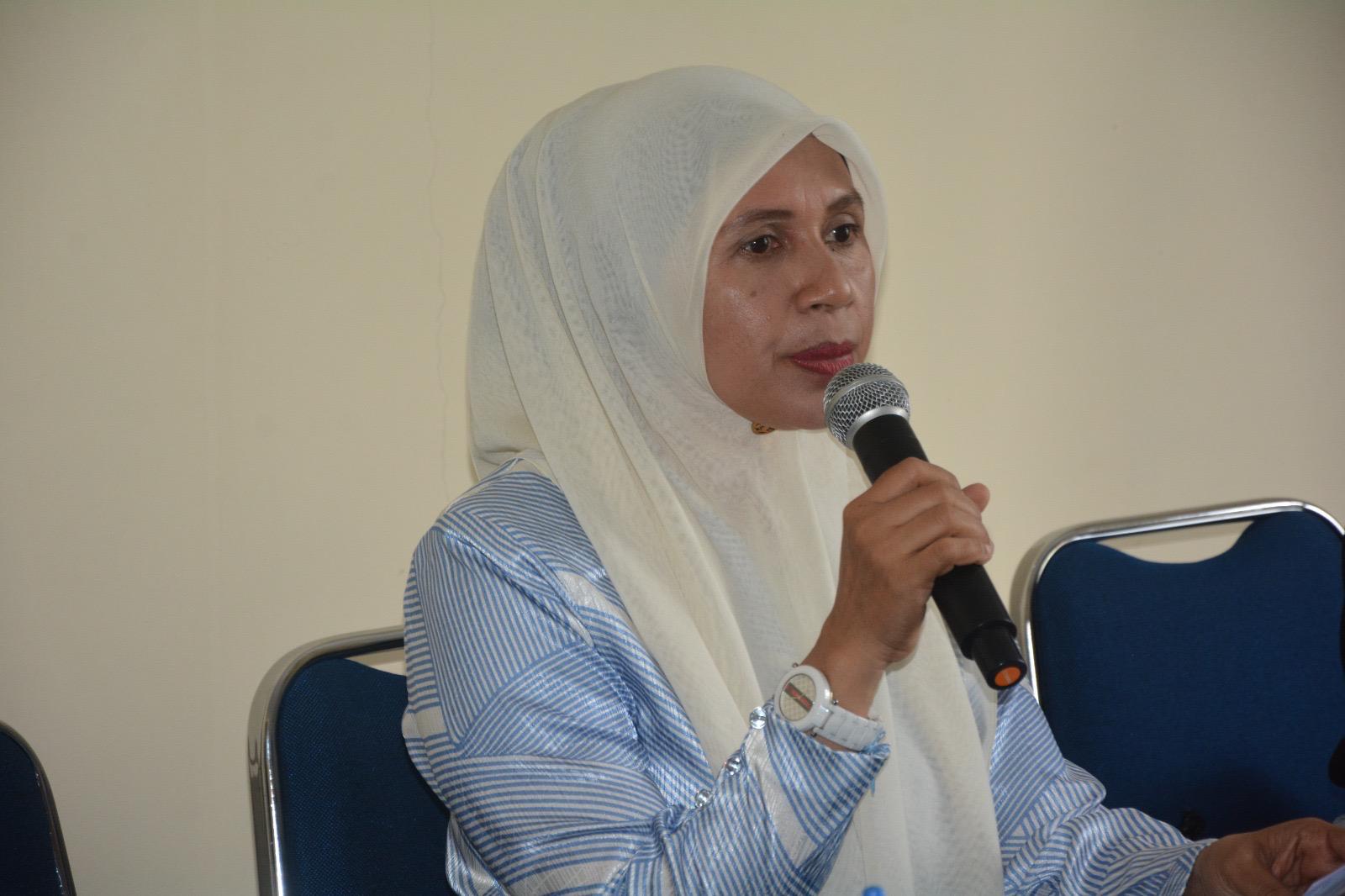
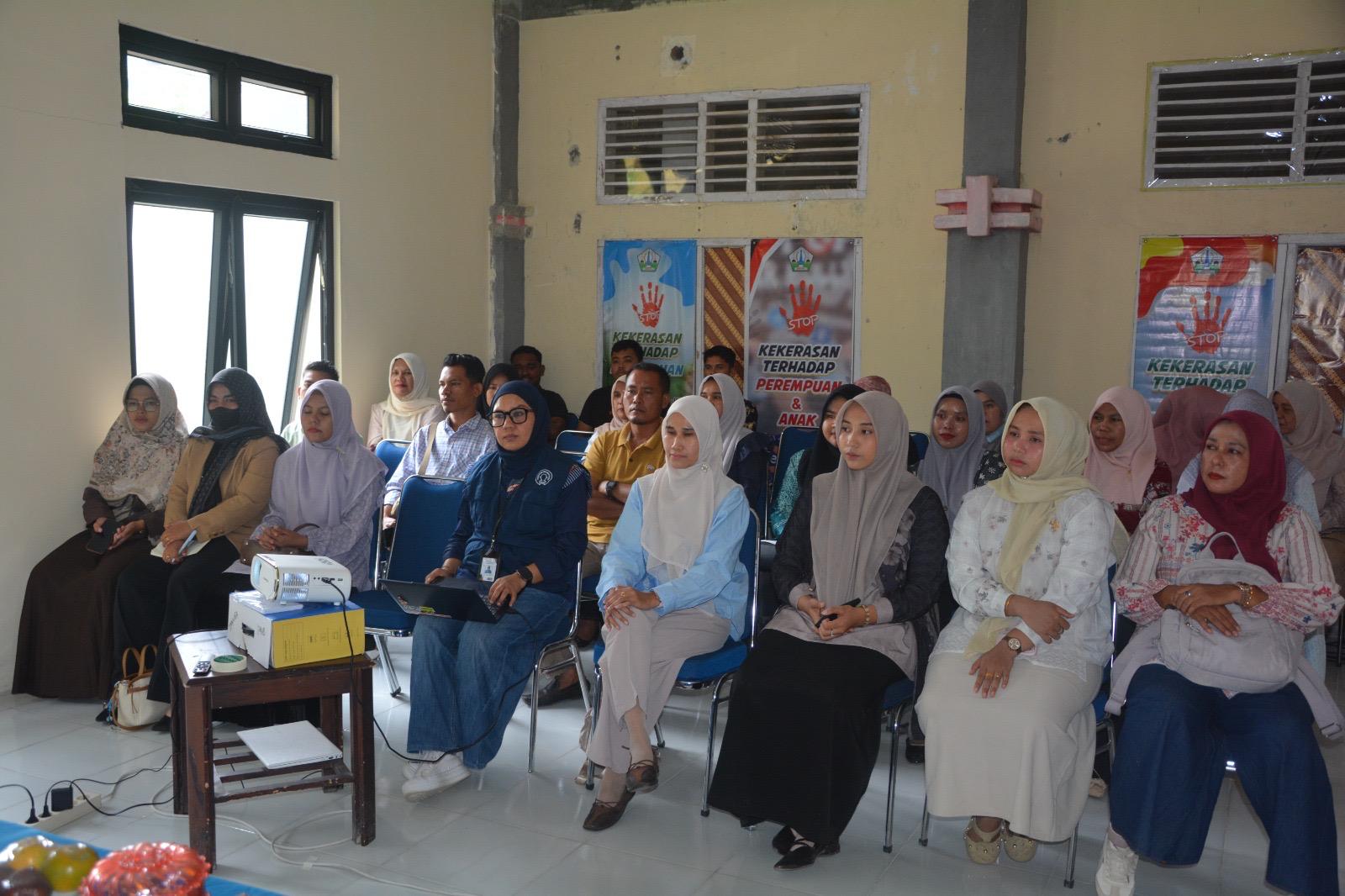
The event was officially opened by the Head of the Women’s Empowerment and Child Protection Division of the Bireuen Office of Community and Village Empowerment, Population Control and Family Planning (DPMGPKB), who emphasized the importance of collaboration among stakeholders and networks at different levels to strengthen responses to cases of violence against women and children.
Such collaboration is essential not only for case management but also for expanding public awareness and education as part of violence prevention efforts. This will help ensure that information on violence prevention and available protection mechanisms reaches all segments of society.
During the event, the Bireuen Technical Implementation Unit for Women’s Empowerment and Child Protection (UPTD PPA) also expressed its commitment to providing ongoing assistance for reported cases. This commitment represents an important step towards establishing a protection system that connects communities with available services, ensuring that survivors do not have to navigate the response process alone.
These messages reinforce the importance of building an interconnected protection mechanism—from communities at the gampong (village) level and village administrations to service providers and support networks.
Establishing Community Paralegals at the Gampong Level
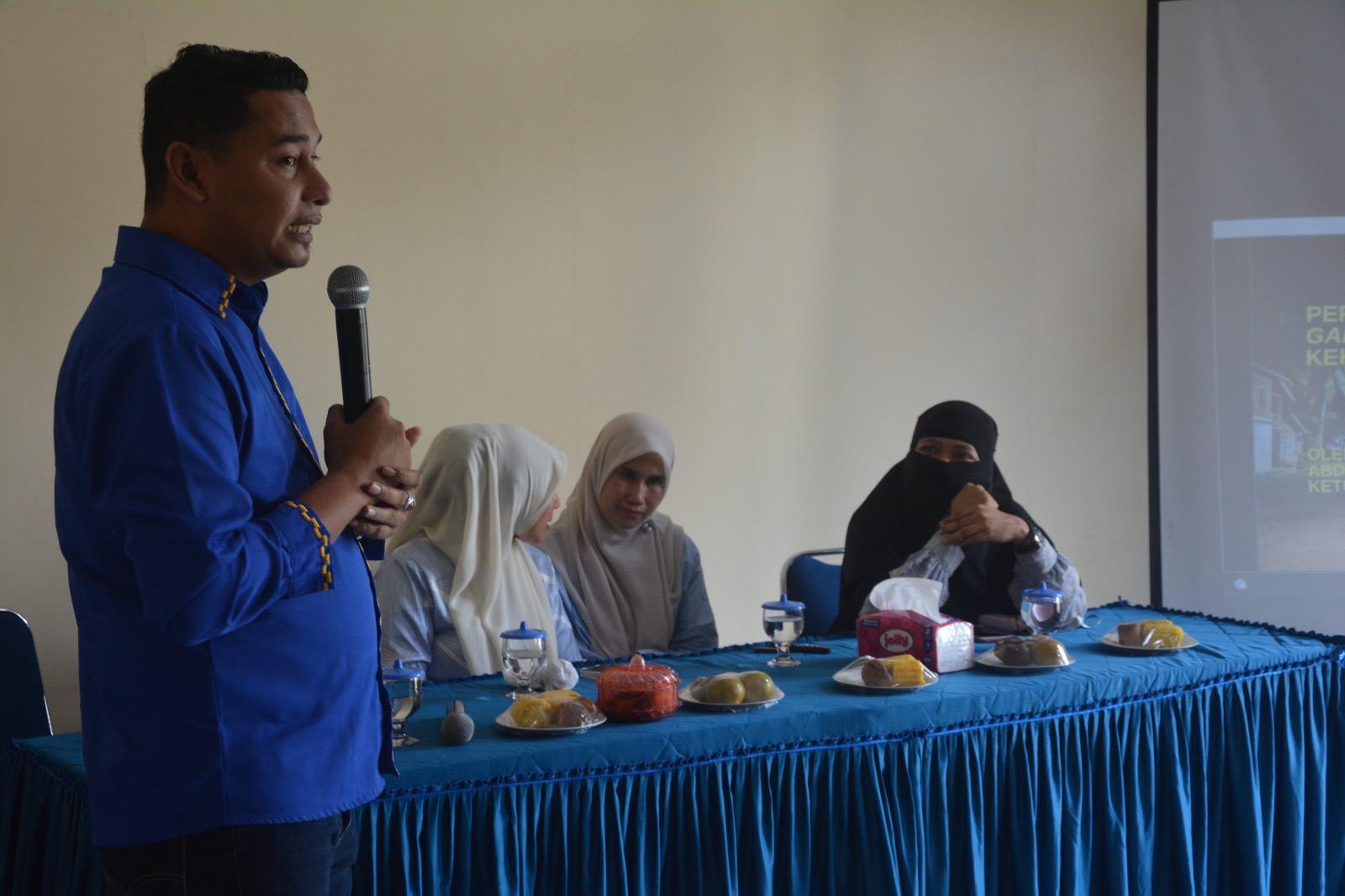
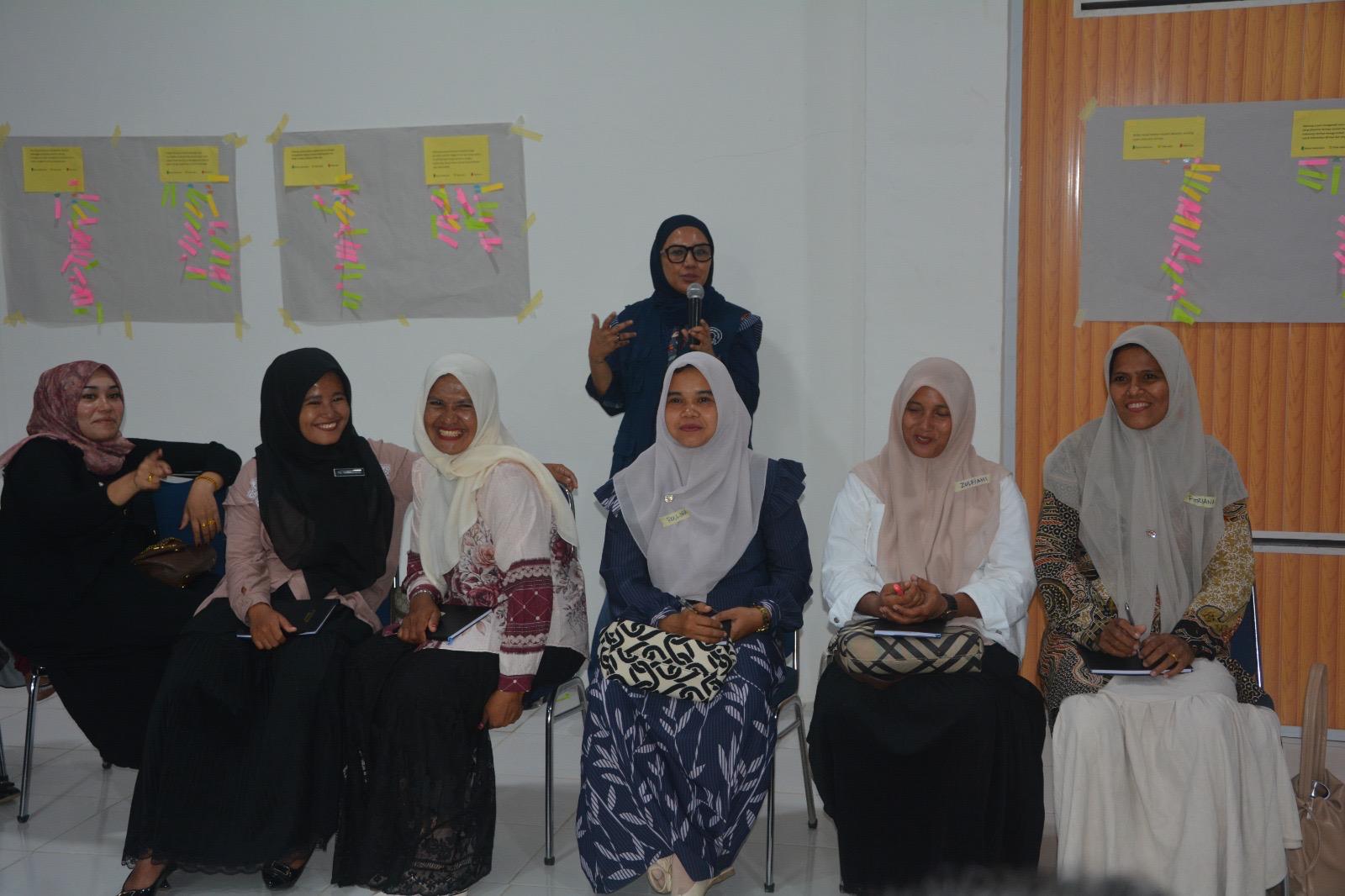
In response to these needs, Yayasan Perempuan dan Anak Negeri Banda Aceh (YPANBA) organized a Training on Gender-Based Violence (GBV) Paralegal Support and Mental Health and Psychosocial Support (MHPSS) for Survivors of Hydrometeorological Disasters on 29–30 August 2026 in Bireuen.
The training was designed to strengthen the capacity of key community actors at the gampong level to prevent violence, provide initial support to survivors, and facilitate referrals to appropriate services.
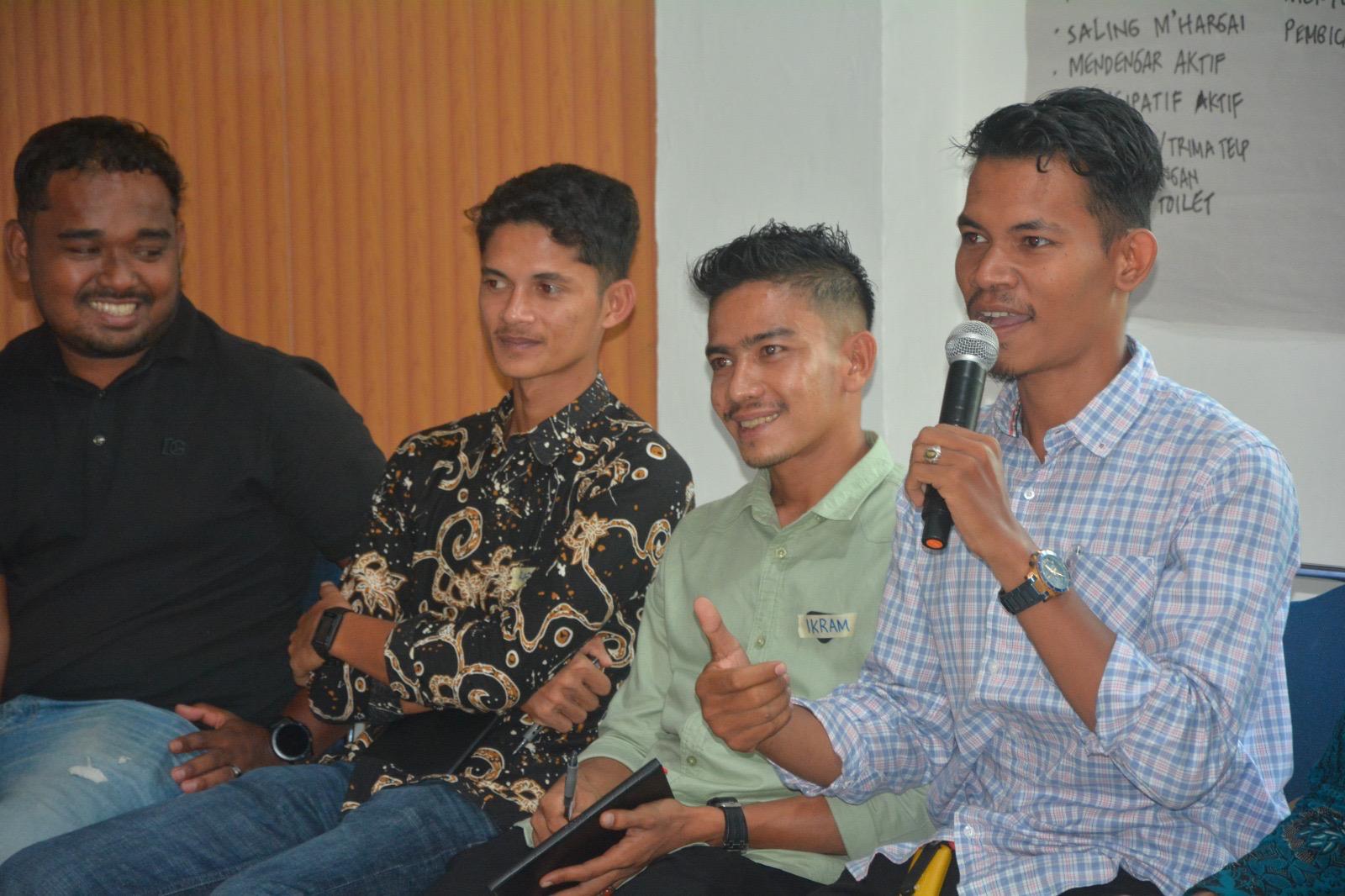
Three key community groups were involved in strengthening community-based protection: youth leaders, known as Pageu Gampong or “Guardians of the Village”; women members of Tuha Peut, the village consultative body, who help uphold fair and inclusive customary values; and representatives of PKK, the Family Welfare Movement, as an important pillar of family well-being.
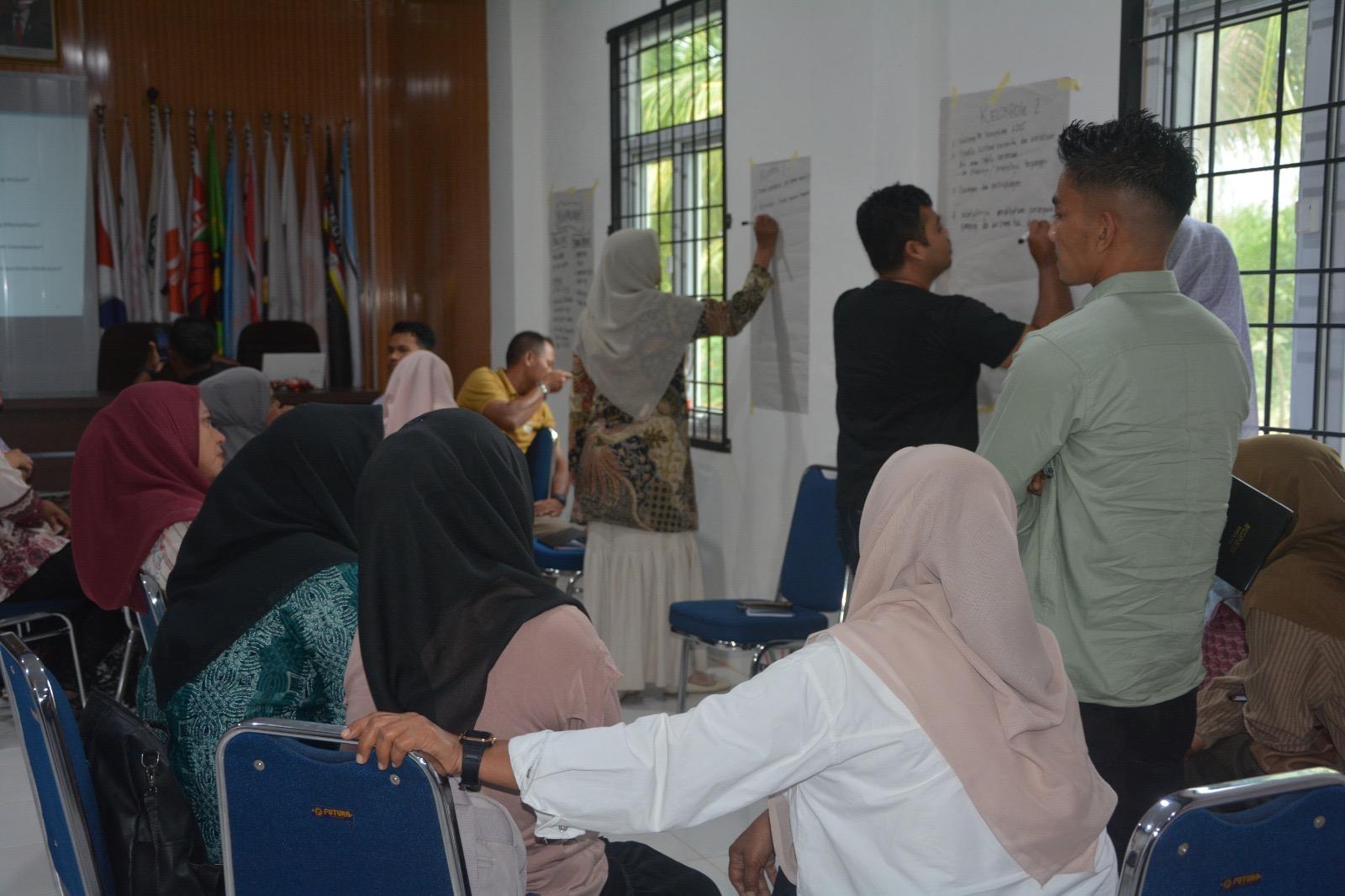
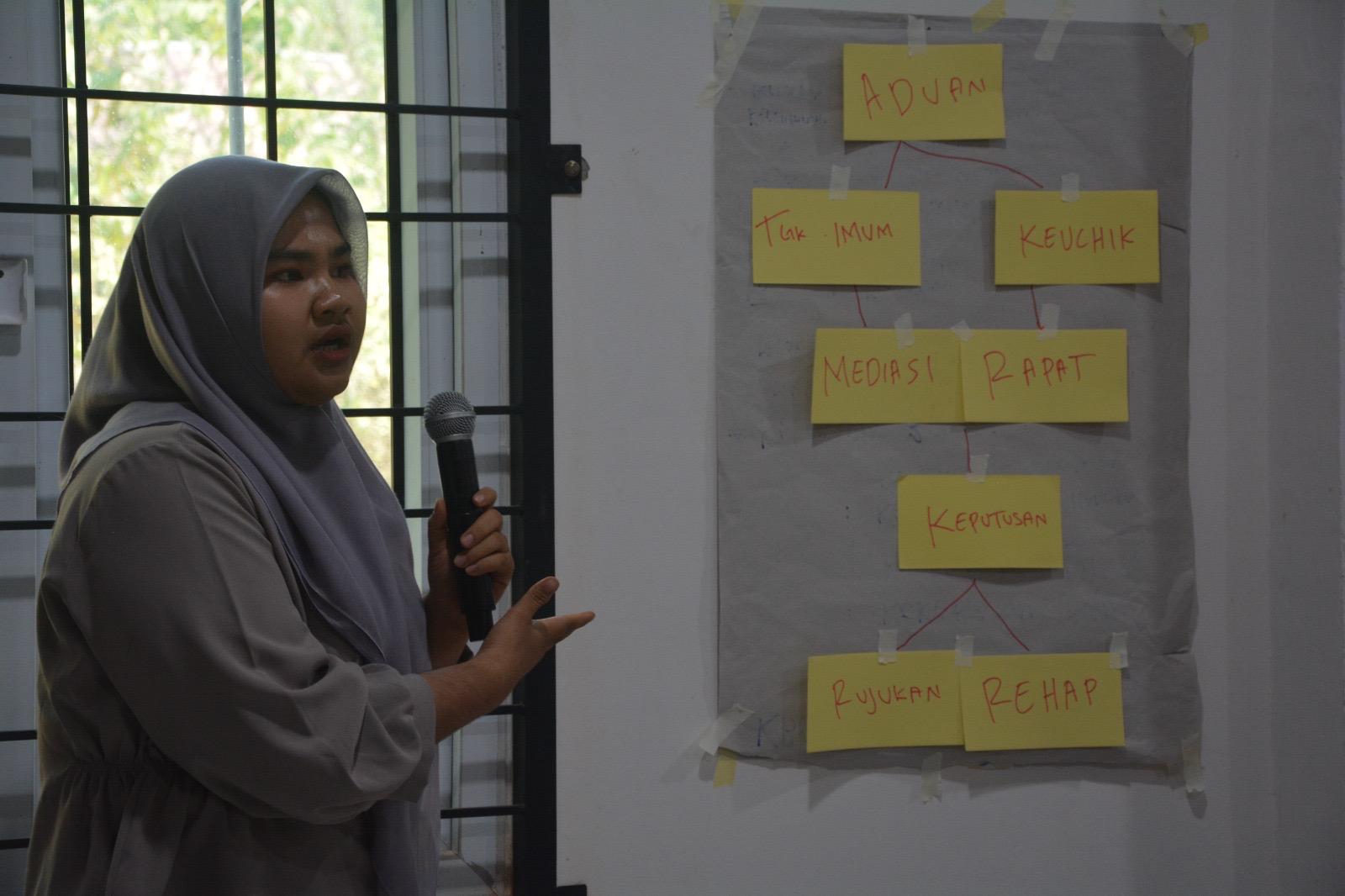
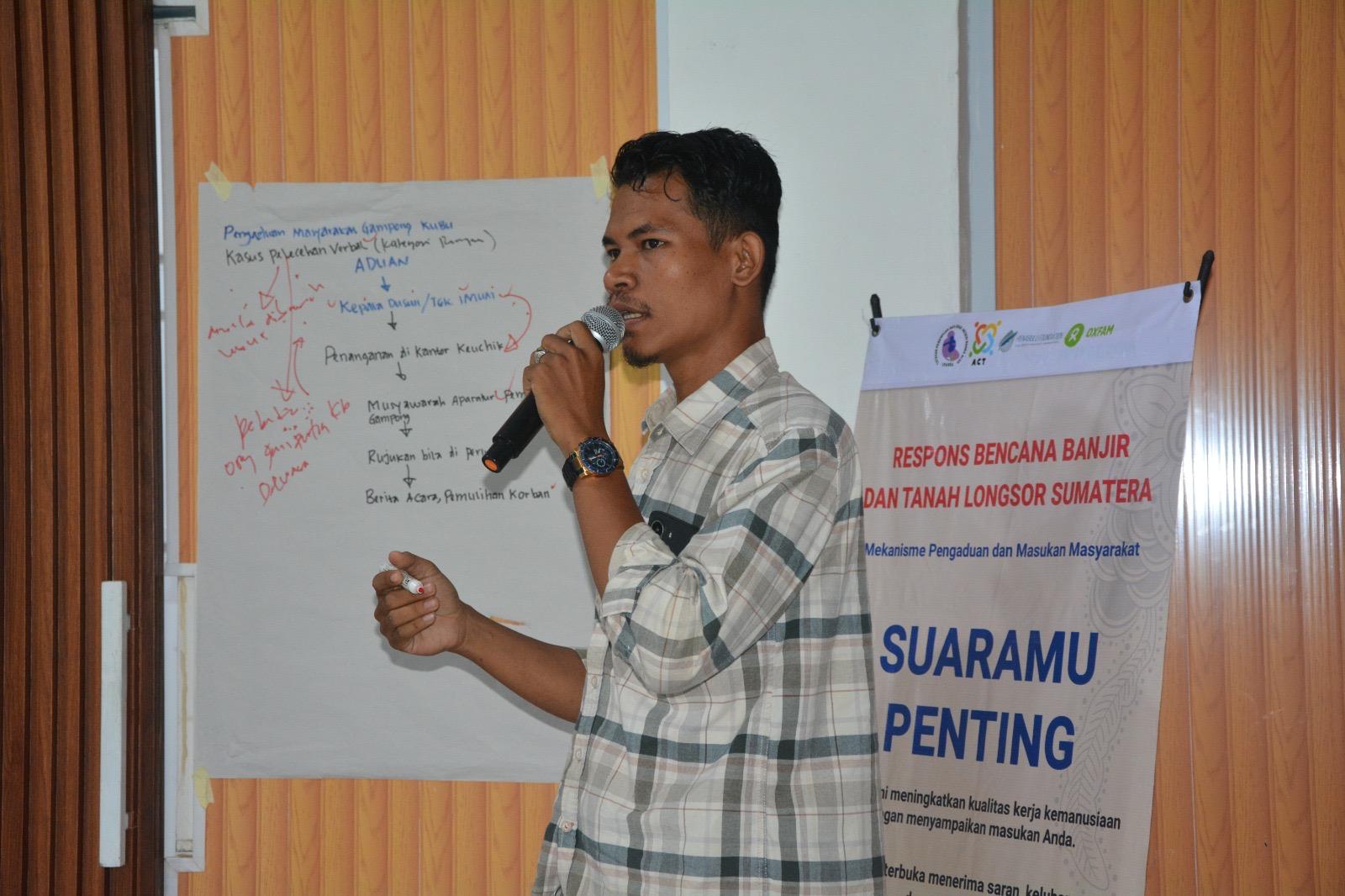
Over the two-day training, participants gained foundational knowledge and practical skills in providing non-litigation assistance to GBV survivors, alongside an understanding of mental health and psychosocial support for survivors.
These skills are intended to help community members provide psychological first aid and initial support to women and children experiencing violence or psychological distress resulting from disasters.
Moving Beyond Response Towards Prevention
The training pursued several key objectives: increasing community understanding of different forms of GBV and the importance of post-disaster mental health; strengthening the capacity of youth leaders, women leaders, and PKK representatives to prevent violence against women and children; and developing basic paralegal skills to provide initial responses and psychosocial support.
Participants were also encouraged to develop the capacity to provide Psychological First Aid (PFA) at the village level and establish accessible case referral pathways suited to the specific context of each village.
Through these efforts, villages are expected to become not only places where post-disaster recovery takes place, but also safe environments for women and children.
“Recovery Takes a Friend”
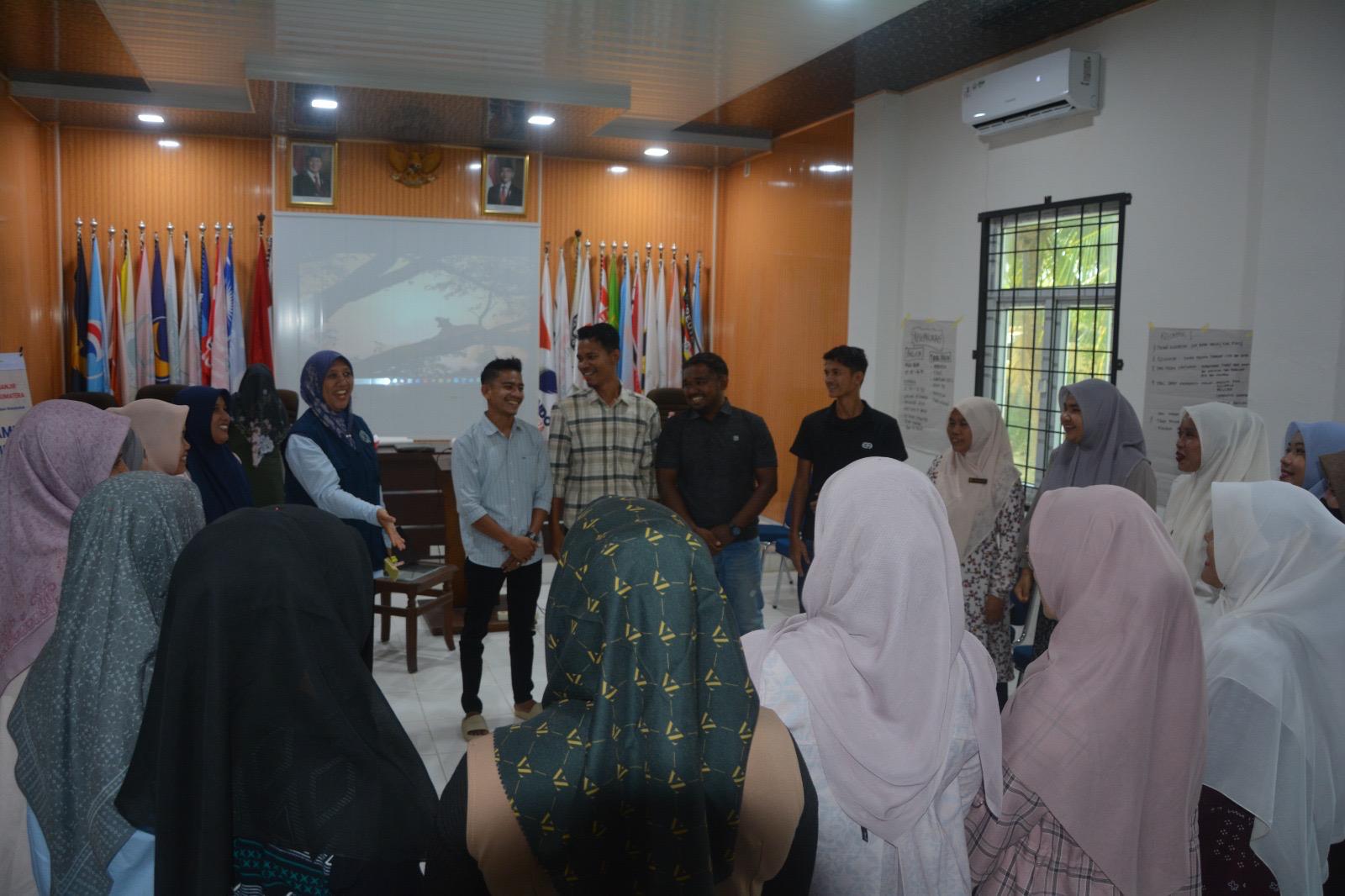
A total of 25 participants attended the training. They represented Kubu, Paya Cut, Balee Panah, Bukit Mulia, and Bate Dabai villages, as well as DPMGPKB, UPTD PPA Bireuen, and the Bireuen branch of the Indonesian National Youth Committee (KNPI).
The event began with a public discussion featuring three speakers whose perspectives complemented one another.
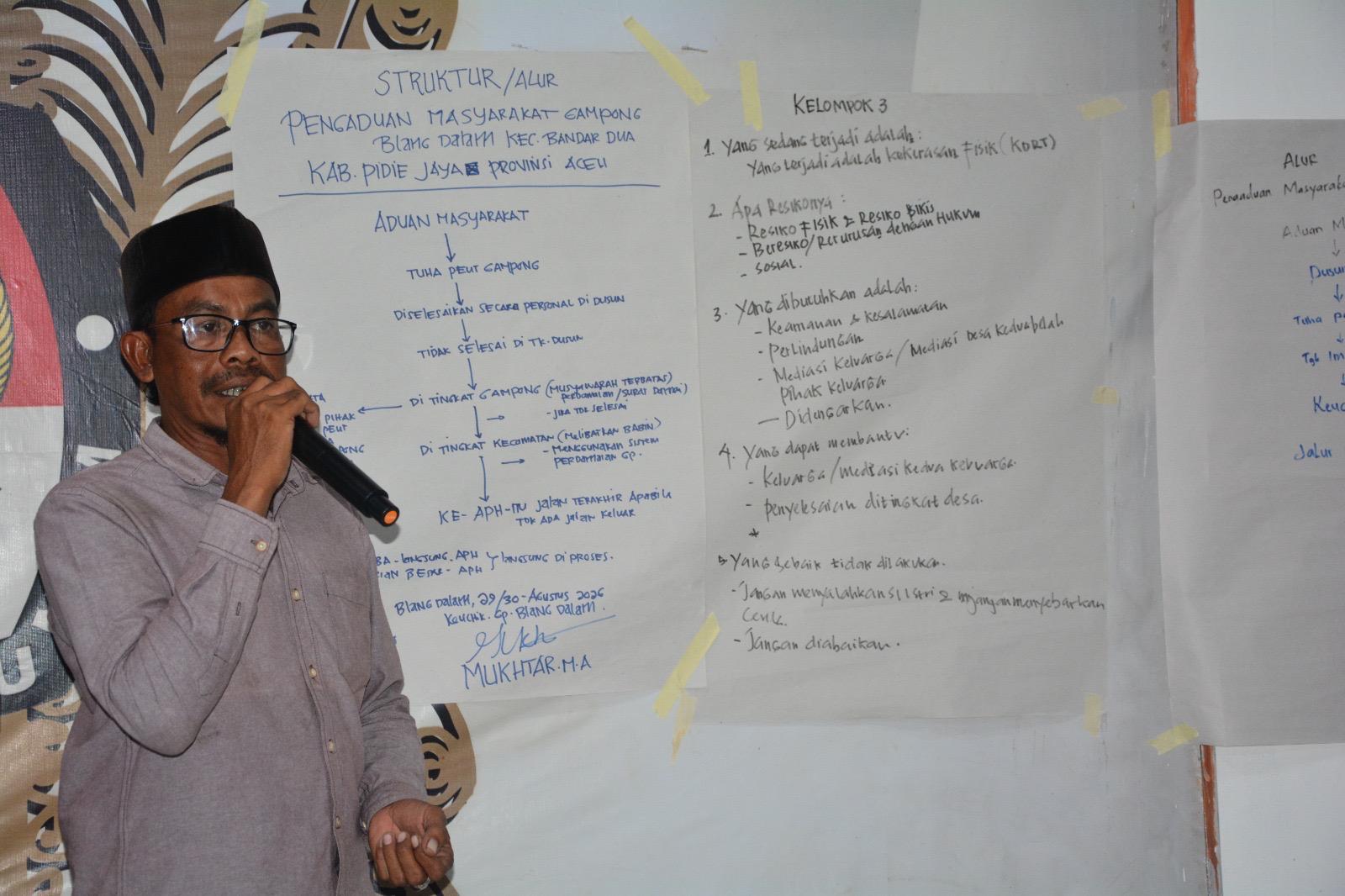
Apt. Intan Sari, S.Farm., M.K.M., from DPMGPKB Bireuen discussed GBV risks and the vulnerabilities faced by women and children during and after disasters. She delivered a simple yet important message:
“The greater the vulnerability, the greater the need for protection.”
Meanwhile, Taifatul Jannah, M.Psi., a psychologist from HIMPSI, the Indonesian Psychological Association, invited participants to deepen their understanding of MHPSS, recognize signs of stress and trauma, and understand the psychological effects that may emerge after a disaster.
“Recovery takes a friend.”
This message underscores that psychological recovery does not always begin with complex interventions. Having someone who is willing to listen, understand, and provide a sense of safety can be an important part of the healing process.
Abdul Halim, Chair of KNPI Bireuen, reaffirmed the role of young people in safeguarding security and protection at the gampong level.
“Young people must remain active and reclaim their role as ‘Pageu Gampong’—Guardians of the Village—to prevent violence against women and children.”
Building a Protection System from the Gampong Up
For YPANBA, strengthening community-based paralegal capacity is part of a broader effort to establish protection mechanisms that are accessible and responsive to local communities.
In post-disaster situations, when family and social support systems may be weakened, local actors who understand GBV risks, mental health, and referral mechanisms become increasingly important.
By building the capacities of young people, women leaders, PKK representatives, and relevant service providers, communities are expected to become better equipped to identify risks, prevent violence, provide initial support, maintain survivors’ confidentiality, and connect cases to appropriate services.
Ultimately, post-disaster recovery is about more than rebuilding homes and infrastructure. It also means ensuring that everyone—especially women and children—can resume their lives in safety, dignity, and security.
Protection begins in the gampong. Recovery grows stronger through community action.
***