
Bener Meriah, 28 August 2026 — Yayasan Perempuan Anak dan Negeri Banda Aceh (YPANBA) conducted a Training on Gender-Based Violence (GBV) Paralegal Support and Mental Health and Psychosocial Support (MHPSS) for Survivors of Hydrometeorological Disasters on 27–28 August 2026 in Bener Meriah Regency. The training brought together community representatives from Bener Meriah and Central Aceh Regencies.
The training was facilitated by Desy Setiawaty from YPANBA and Roslina from LBH APIK Aceh. It aimed to strengthen community knowledge and skills in preventing, identifying, and responding to gender-based violence (GBV), as well as providing initial mental health and psychosocial support to disaster-affected communities.
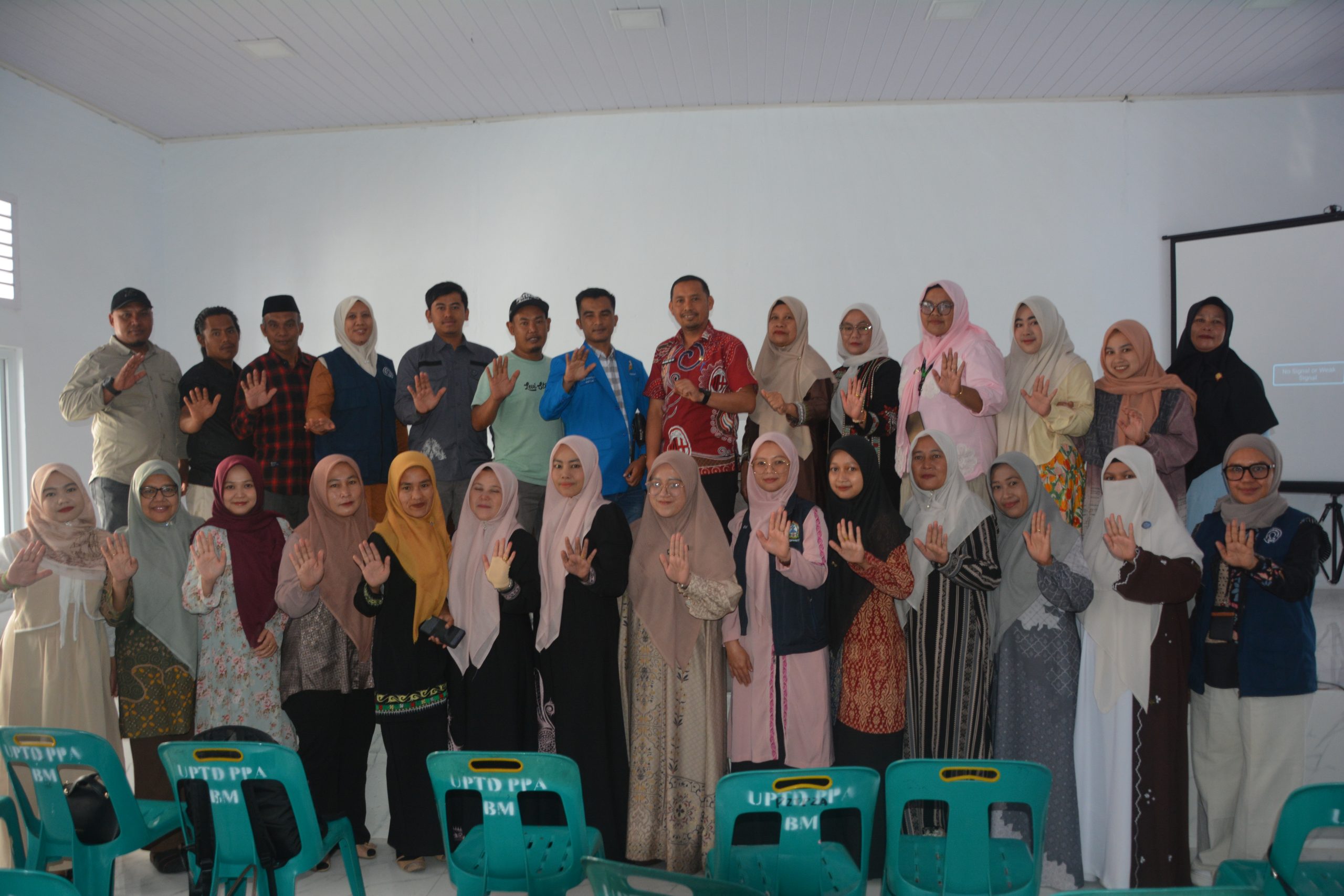
The event was officially opened by Edi Jaswin, SKM., M.Si., Head of the Bener Meriah Regency Office of Women's Empowerment, Child Protection, and Family Planning (DP3AKB).
In his opening remarks, Edi Jaswin emphasized the importance of community paralegals in strengthening efforts to prevent and address cases of violence at the village level.
“Community paralegals play a vital role in supporting the prevention of and response to cases of violence at the village level. With community support and involvement, we hope to curb violence and reduce the number of reported cases.”
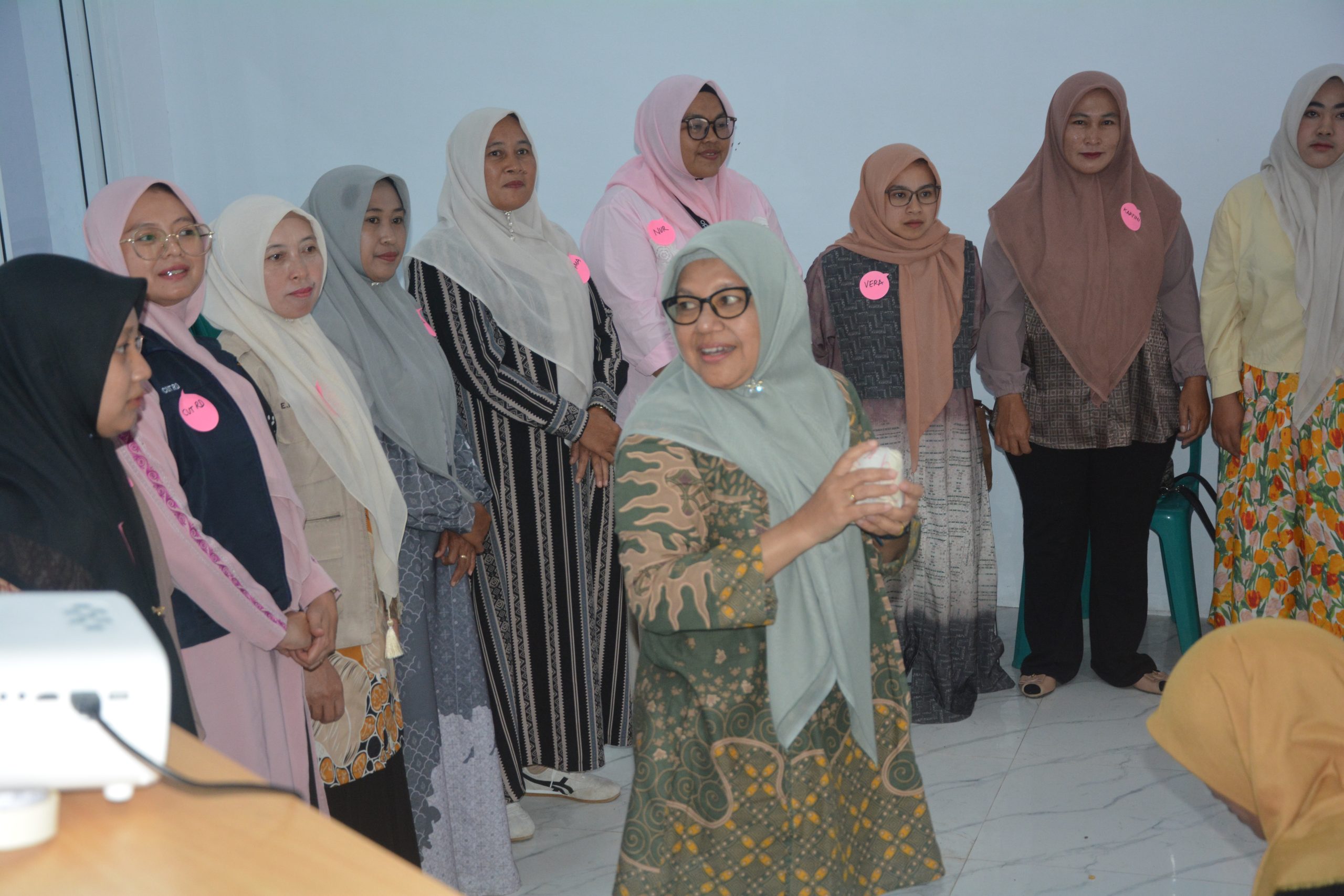
Disasters and the Risk of Violence
Disasters cause not only physical and economic damage but can also increase the vulnerability of women, children, persons with disabilities, older persons, and other at-risk groups to violence, exploitation, discrimination, and psychological distress.
Strengthening community capacity at the gampong (village) level is therefore essential to ensure that prevention, protection, and support are accessible and responsive to local needs.
Nurhayati Fitri from DP3AKB Bener Meriah emphasized the importance of collecting data and mapping needs in disaster situations.
“Violence increases during disasters. Data must be collected, and needs must be mapped, because women and other vulnerable groups have specific and differing needs.”
Data collection and needs mapping are essential to ensure that disaster responses do not treat all groups as having the same needs, but instead take into account their distinct circumstances and vulnerabilities.
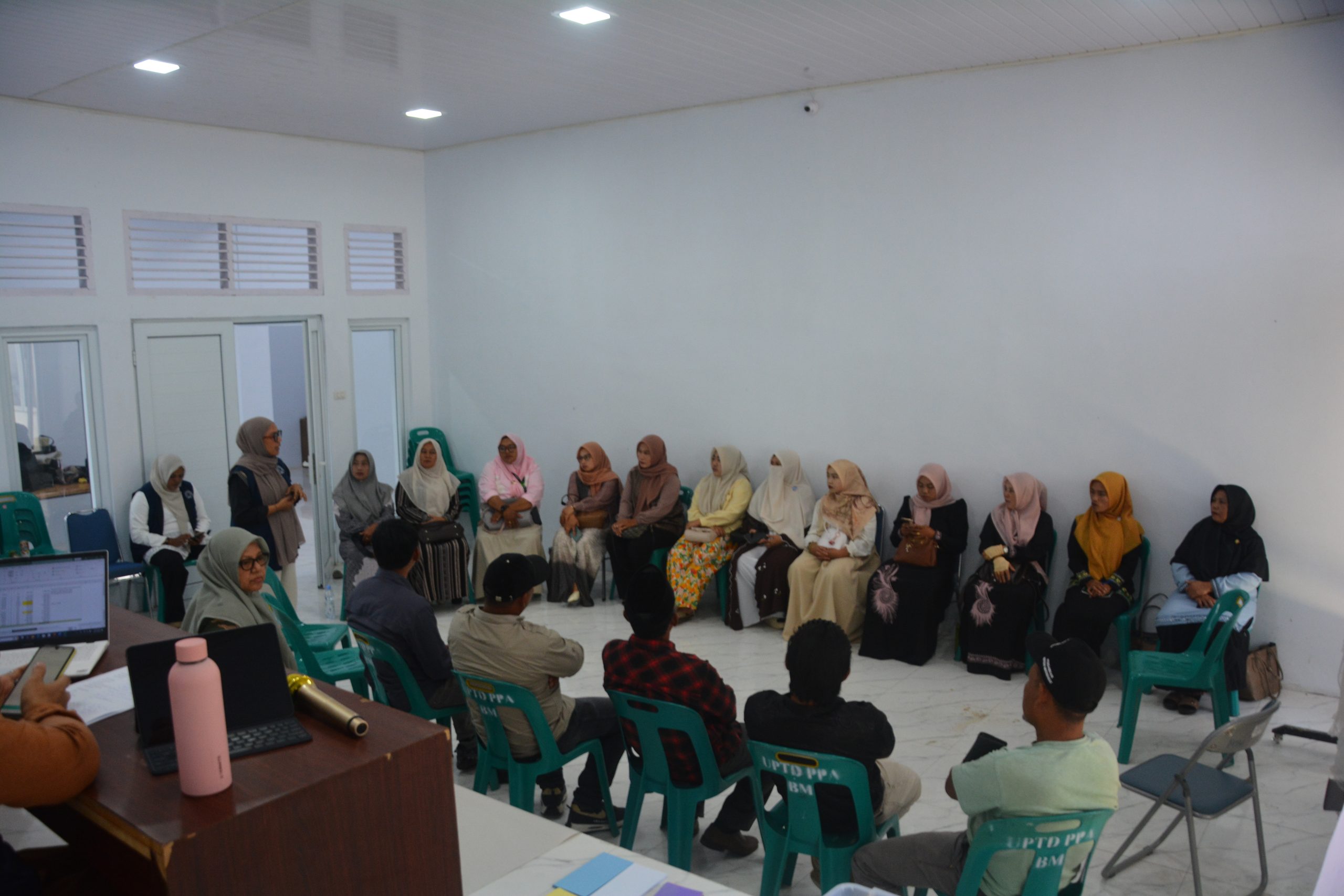
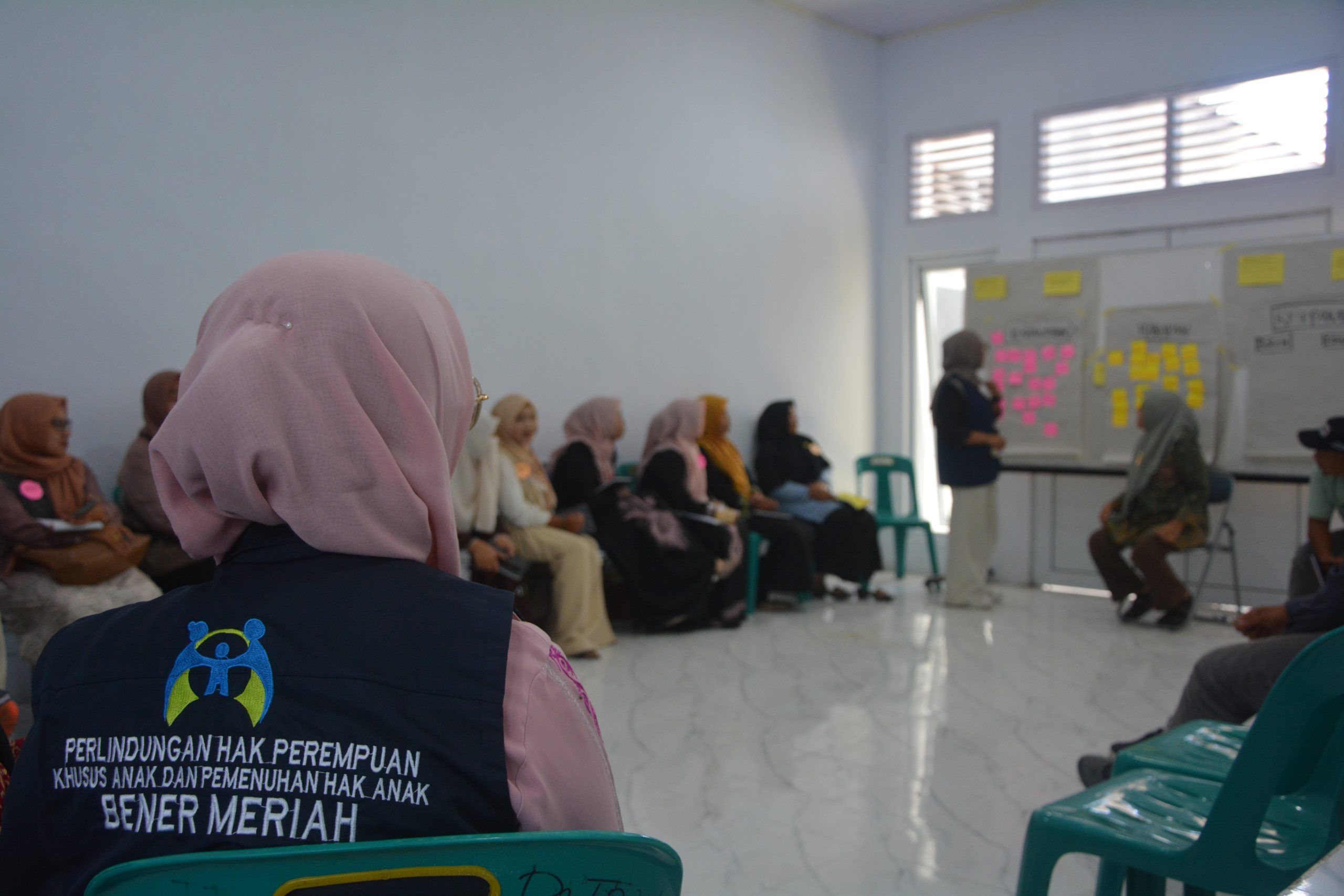
Building Villages That Prevent Violence and Protect Survivors
The training also highlighted the role of communities in creating environments that do not tolerate violence and can provide meaningful support to survivors.
Feri Yanto, a representative of KNPI Central Aceh, stated:
“A strong village is not one that conceals violence, but one that works together to prevent violence, protect survivors, and support recovery.”
This message reinforces the importance of encouraging communities not to conceal cases of violence, but to work together to build safe environments, support survivors, and understand the appropriate steps to take when cases arise.
Recognize, Support, Protect, and Connect
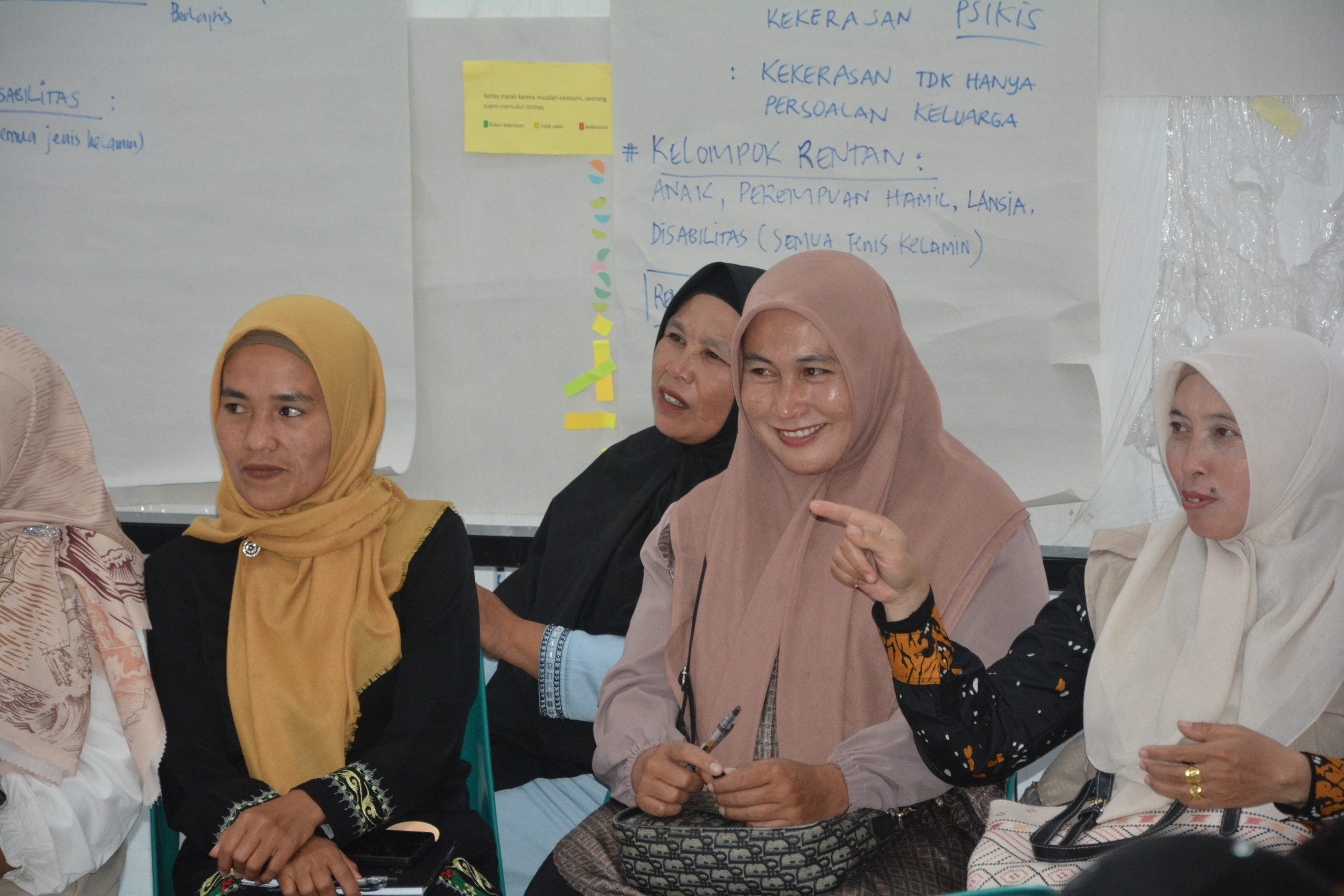
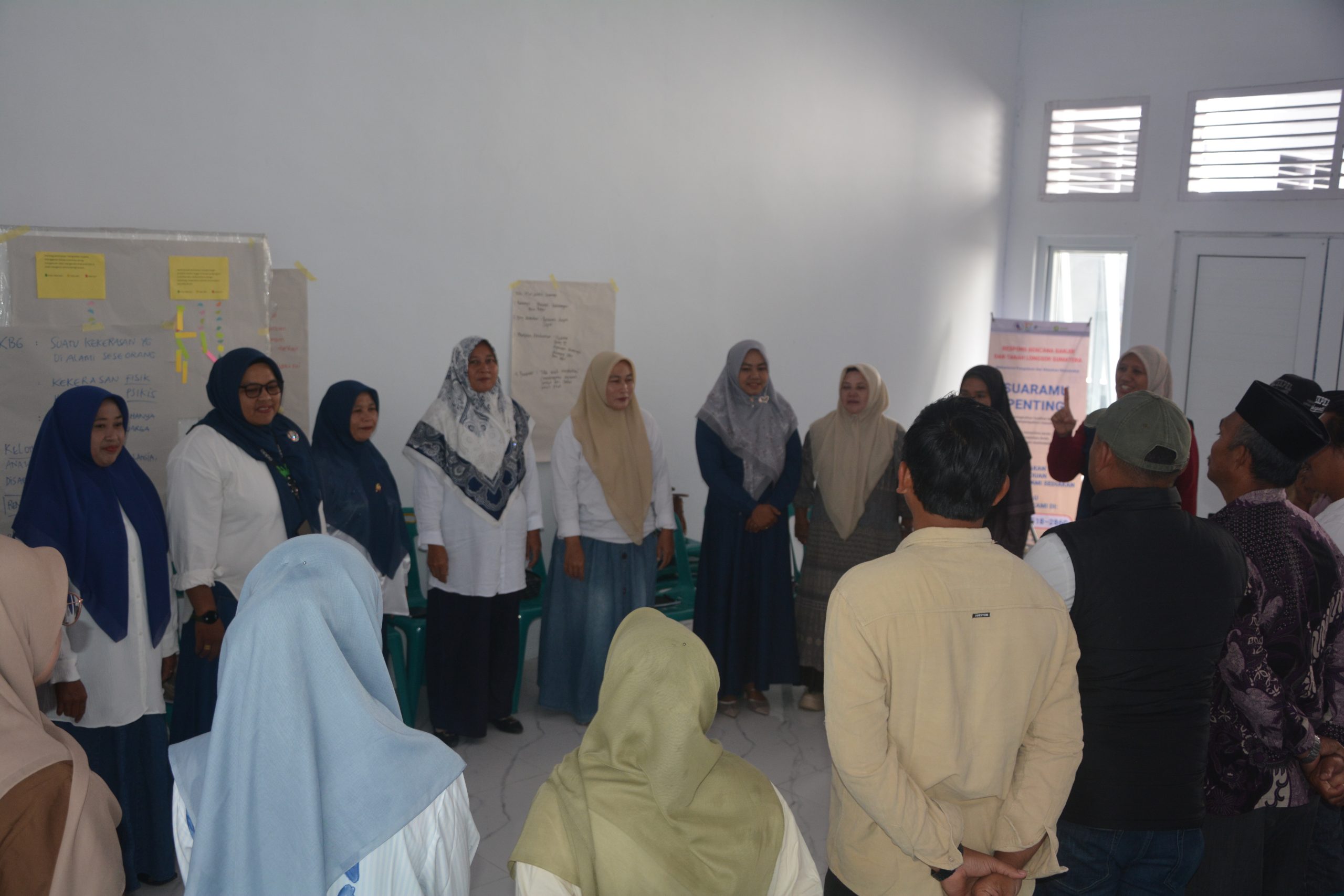
Over the two-day training, participants explored GBV in disaster settings, gender concepts, justice and equality, recognizing signs of violence and providing initial responses, ethics and confidentiality, the do no harm principle, basic paralegal skills, and case referral pathways.
Participants were also introduced to Mental Health and Psychosocial Support (MHPSS) and Psychological First Aid (PFA). The sessions used participatory methods, demonstrations, discussions, and role-play, including practical exercises based on the simple approach of “Look – Listen – Link.”
Sarentya Fathadhika, a representative of HIMPSI Central Aceh, emphasized the importance of an empathetic approach when supporting people experiencing difficult situations.
“Recognize, support, protect, and connect—and never judge.”
These principles are essential to community paralegal practice. Paralegals do not need to have all the answers or make decisions on behalf of survivors. Instead, they must be able to listen with empathy, maintain confidentiality, avoid judgment, prevent further harm, and connect survivors with appropriate services.
Strengthening Community-Based Protection
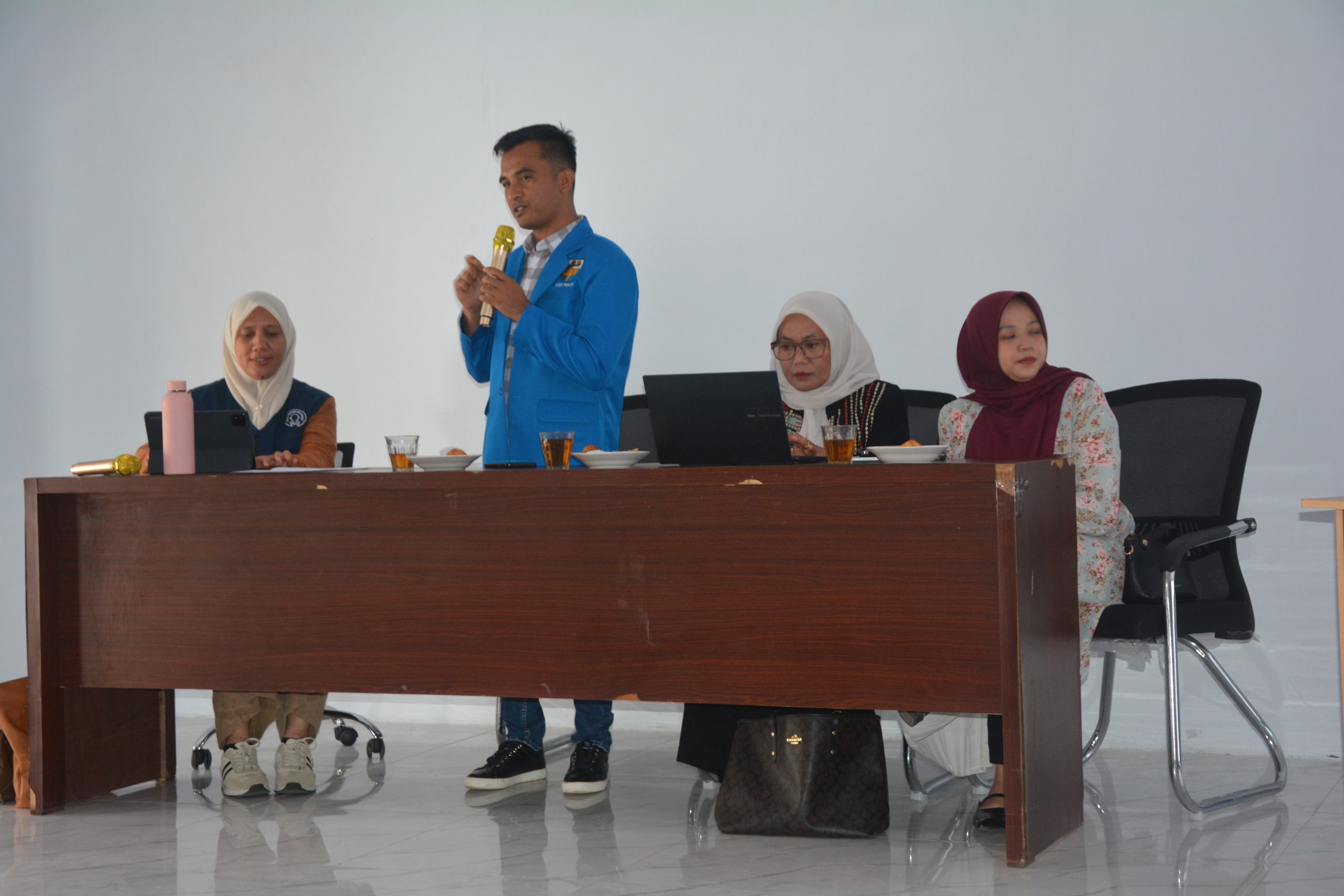
Eva Khovivah, representing YPANBA, explained that strengthening community paralegals is part of the organization's broader efforts to build more resilient and inclusive communities capable of protecting women and children, particularly in disaster situations.
“For YPANBA, strengthening community paralegals is part of our efforts to build more resilient and inclusive communities. We want to ensure that people at the gampong level have the knowledge to recognize risks, provide safe initial support, and connect survivors with appropriate services.”
According to Eva, community paralegals are not a substitute for professional service providers. Rather, they serve as an initial bridge, helping community members access information, support, and the services they need.
“Disaster resilience is not only about physical and economic recovery. It also means ensuring that women, children, and other vulnerable groups remain safe, are heard, and receive the support they need.”
Community Paralegals as a Bridge at the Gampong Level
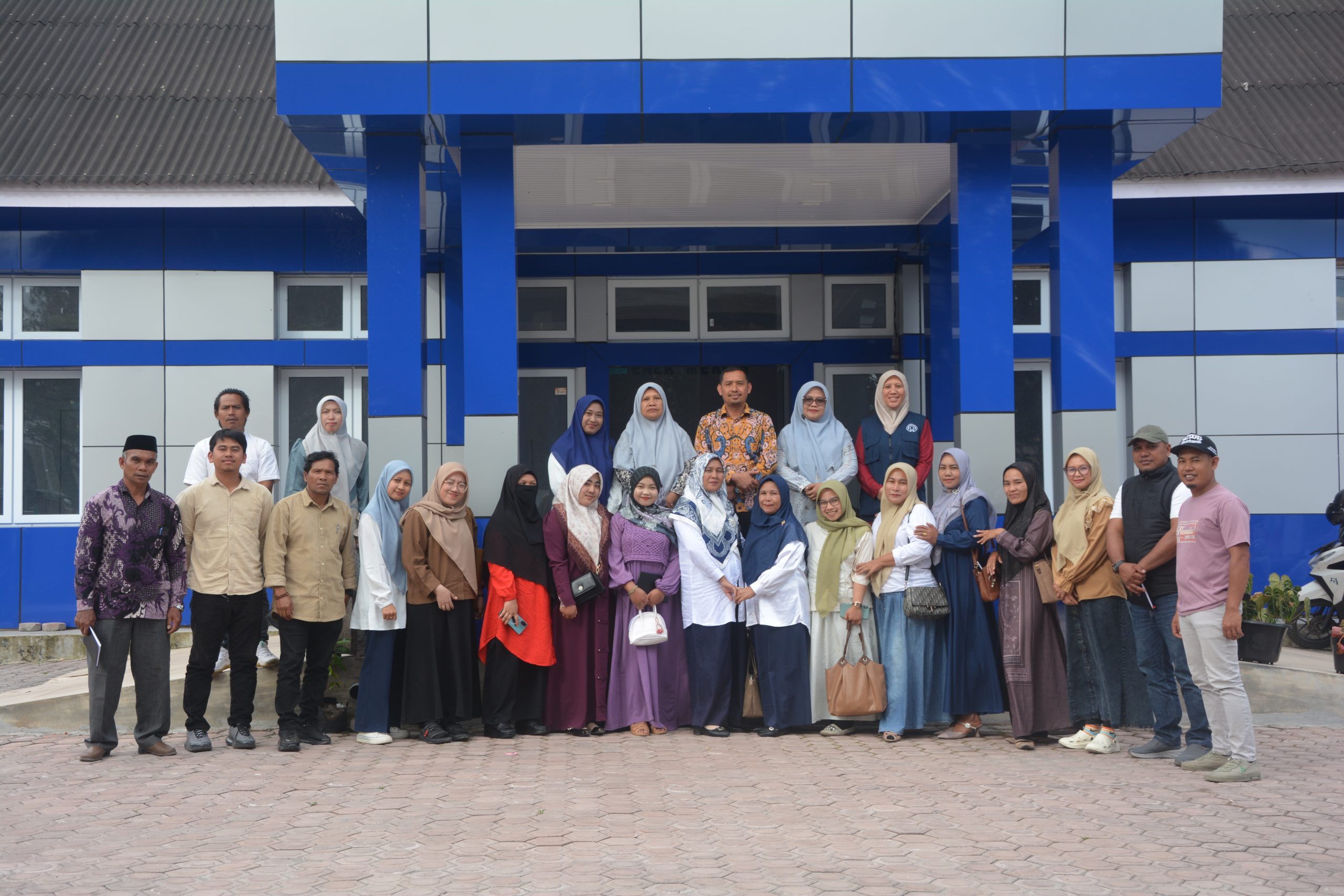
The training reaffirmed the important role of community paralegals in building protection networks at the gampong level. This role must be carried out within the limits of their capacity and authority, while upholding ethics, confidentiality, safety, survivors’ choices, and the do no harm principle.
Through this capacity-building initiative, participants are expected to contribute to more responsive community environments for addressing violence and psychosocial concerns, while helping community members access professional services when needed.
YPANBA and LBH APIK Aceh encourage participants to apply the knowledge and skills gained during the training in their respective communities. The aim is to develop community networks that contribute to violence prevention, the protection of women and children, psychosocial support, and stronger referral mechanisms at the gampong level.
Ultimately, strengthening community paralegals is not merely about understanding rules and procedures. It is also about building the awareness, courage, and capacity of communities to care for and protect one another, especially in times of disaster.