
Strengthening local food systems, women’s economic solidarity, and post-flood livelihood recovery through women’s farming groups in Bireuen and Pidie Jaya.
When rice fields remain inaccessible and families still need to meet their daily food needs, growing crops around the home becomes one way to sustain their livelihoods. For Nurasiah, a member of a women’s farming group in Kubu Village, Bireuen District, farming is nothing new. However, when conditions do not yet allow her to return to her rice fields, she must find other ways to ensure that her family continues to have access to rice.
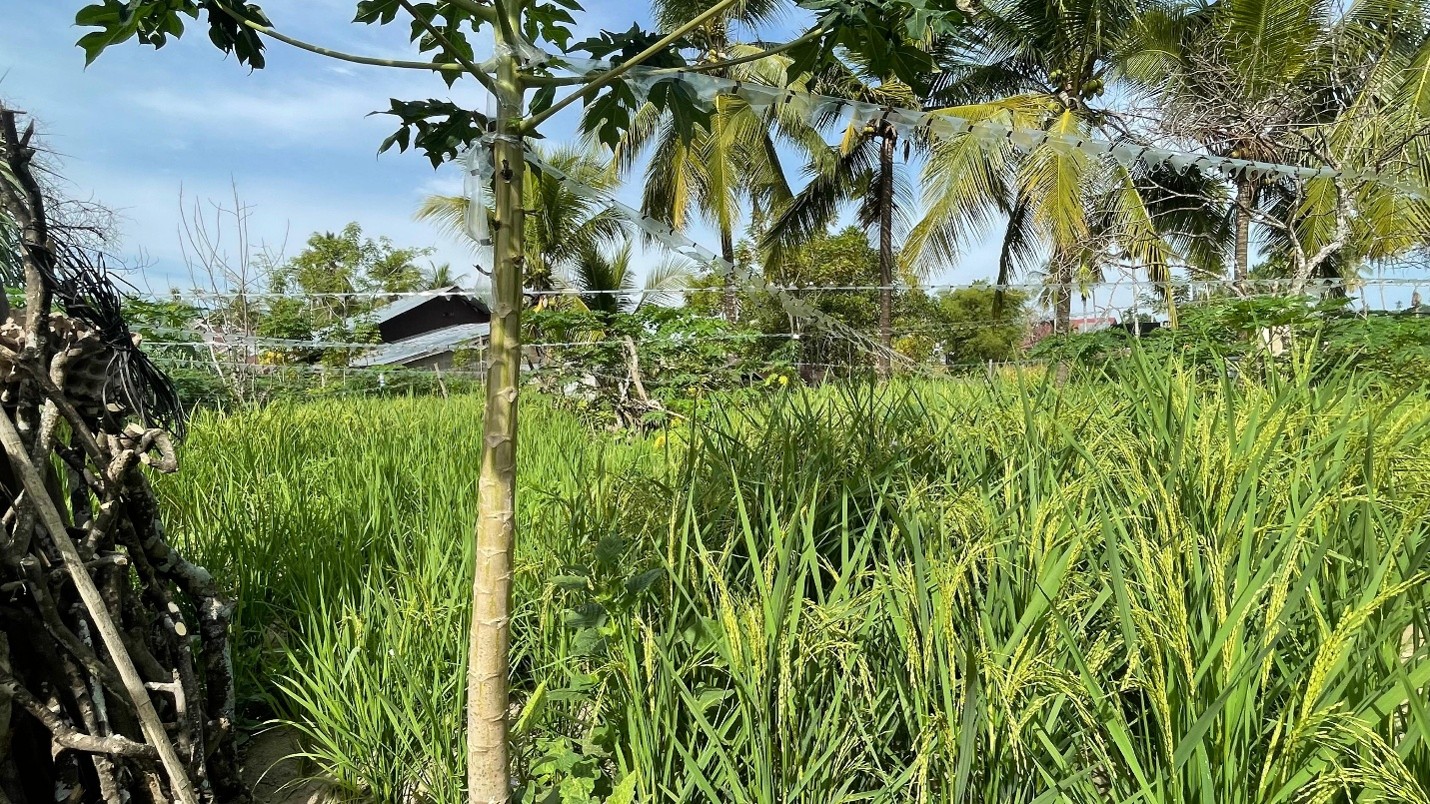
Nurasiah’s experience reflects the challenges families face as they recover their livelihoods after a disaster. Recovery is not only about repairing houses and infrastructure, but also about families’ ability to meet their food needs, maintain sources of income, and resume their daily lives.
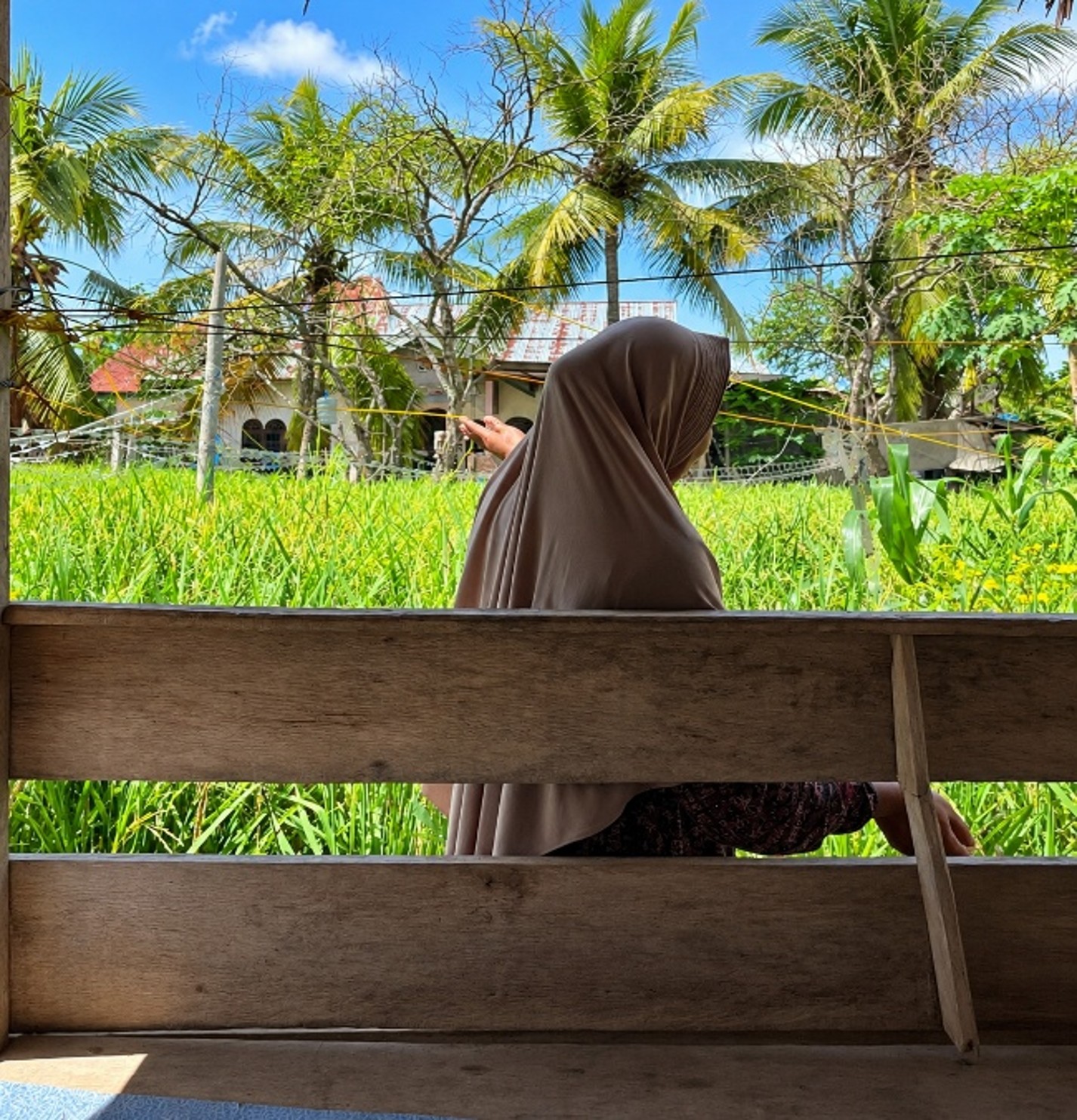
In response to these needs, Yayasan Perempuan dan Anak Negeri Banda Aceh (YPANBA) has supported the establishment of women’s farming groups in Kubu Village, Bireuen District, and Blang Dalam Village, Pidie Jaya District. This initiative promotes the use of available land and home gardens for local food production while strengthening women’s roles in building household and community resilience following the 2025 floods.
For YPANBA, women’s gardens are more than spaces for growing vegetables and fruit. They are also part of a broader effort to strengthen food self-reliance, create economic opportunities, and foster solidarity that supports sustainable livelihood recovery
From Home Gardens, Women in Kubu Sustain Their Families’ Food Needs
In Kubu Village, Bireuen District, YPANBA has supported the establishment of a women’s farming group by providing seeds and seedlings, alongside assistance to develop household farming activities.
Fifteen women across four hamlets have begun transforming their home gardens into productive growing spaces. They cultivate various vegetables and fruit according to the conditions of their land and the needs of their respective households.
Gardens located close to home allow women to gradually develop their farming activities. They can prepare the land, plant and care for crops, and use the harvest to meet their families’ needs.
For Nurasiah, farming is an important part of maintaining food availability. While her rice fields remain inaccessible, she has tried growing rice around her home using tajoek, a local term she uses to describe a traditional upland farming system.
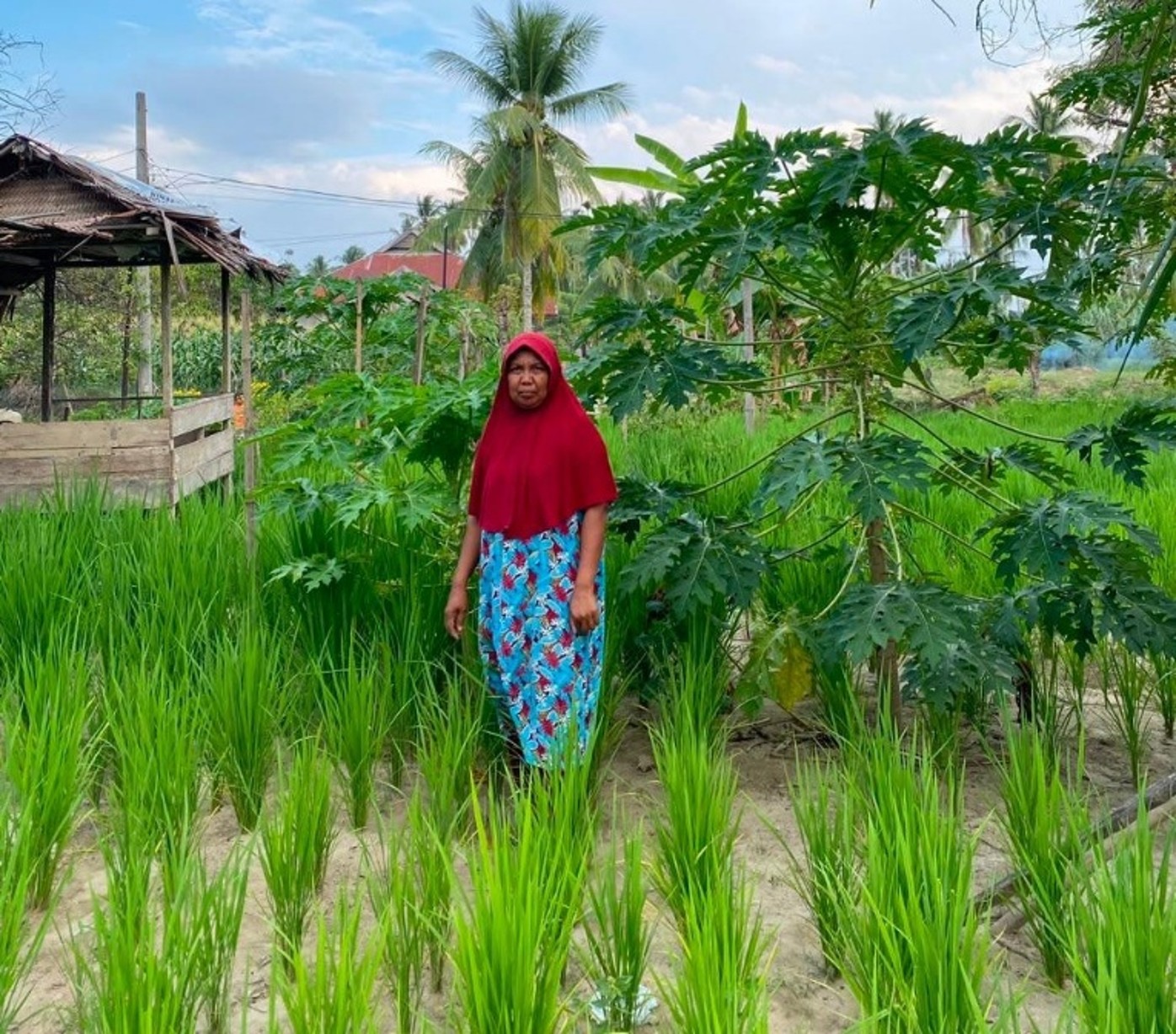
Support from YPANBA helped her purchase seeds and fertiliser to continue these efforts.
“I am grateful that, with the financial support from YPANBA, I can buy seeds and fertiliser for my rice crops. My rice fields are still not ready to be cultivated, so I am trying to grow rice around my house using the ‘tajoek’ method, a traditional upland farming system. Without growing rice ourselves, we would not be able to meet our family’s rice needs. My husband and I have been farmers for a long time.”
Nurasiah, Member of the Women’s Farming Group, Kubu Village
Nurasiah’s experience demonstrates that livelihood recovery support needs to reflect families’ actual needs and the knowledge communities already possess. When rice fields cannot yet be cultivated, growing rice around the home becomes an alternative way to continue food production.
For families whose livelihoods have long depended on agriculture, the ability to keep farming is about more than income. It is also directly linked to food availability at home
Through its support for women’s farming groups, YPANBA seeks to help women make use of available resources, maintain their farming skills, and develop alternative livelihood options suited to each household’s circumstances.
When Gardens Begin to Produce
The benefits of home gardening in Kubu are also becoming evident through the experience of other group members. Yusriati, another member of the women’s farming group, has harvested cucumbers and long beans from her garden.
The harvest is used to meet her family’s food needs. Some of the produce is also sold to people in the surrounding community and close relatives.
Her experience demonstrates the dual benefits of home gardens. In addition to providing food for household consumption, garden produce can create opportunities to earn supplementary income.
Although sales are still limited to nearby communities, this practice represents an initial step towards developing household-based farming activities. Garden produce is not only consumed by the household but is also beginning to generate economic value for the family.
The stories of Nurasiah and Yusriati illustrate two complementary approaches: maintaining food availability when rice fields cannot yet be cultivated and using harvests for both household consumption and local sales.
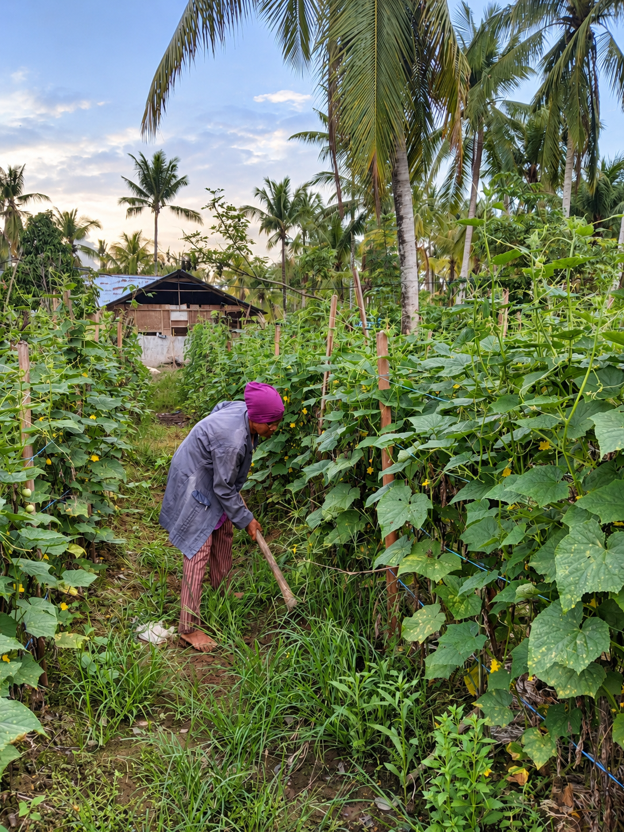
Both experiences demonstrate that strengthening food security can begin with practical steps close to everyday family life, while taking into account land conditions, household needs, and production capacity.
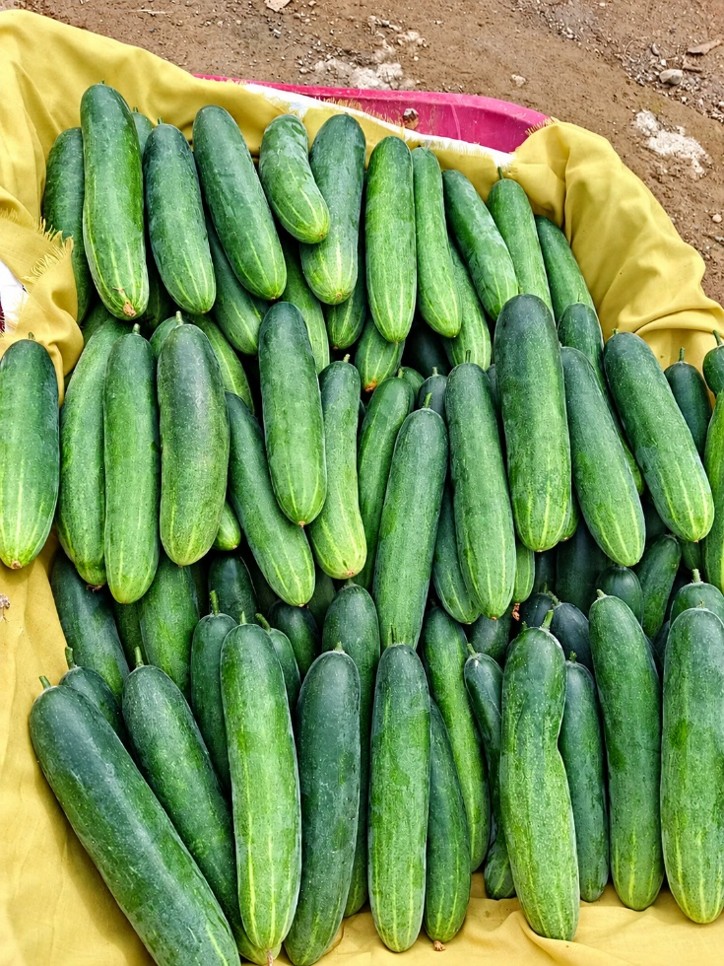
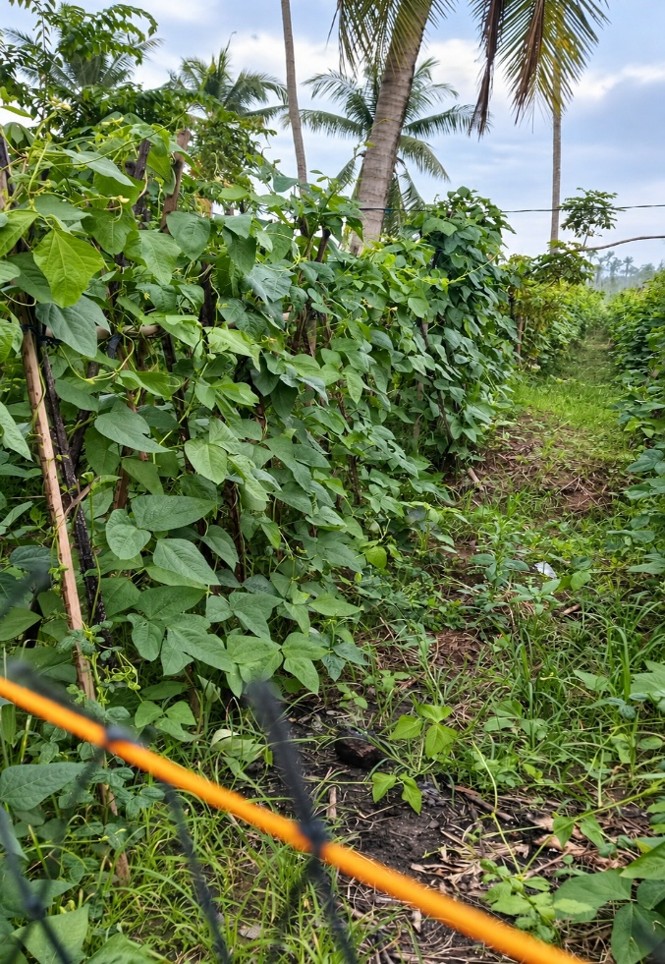
Photo: YPANBA. Yusriati’s cucumber harvest and long bean garden in Kubu Village.
Blang Dalam: Turning Village Land into a Shared Productive Garden
In Blang Dalam Village, Pidie Jaya District, YPANBA’s support has focused on transforming village land in the grounds of the Recycling Centre into a shared food garden.
Land that had not previously been used to grow vegetables and fruit is now being developed as a cultivation space. Members of the women’s farming group plant different crops and work together to maintain the garden.
Alongside the shared village garden, members are also developing gardens in their own home yards. As a result, farming activities take place through two complementary approaches: collective management of shared land and the use of household gardens.
The shared garden provides women with a space to work collectively, exchange knowledge, and gain experience in garden management. Meanwhile, home gardens allow them to grow crops according to their families’ needs and the land available to them.
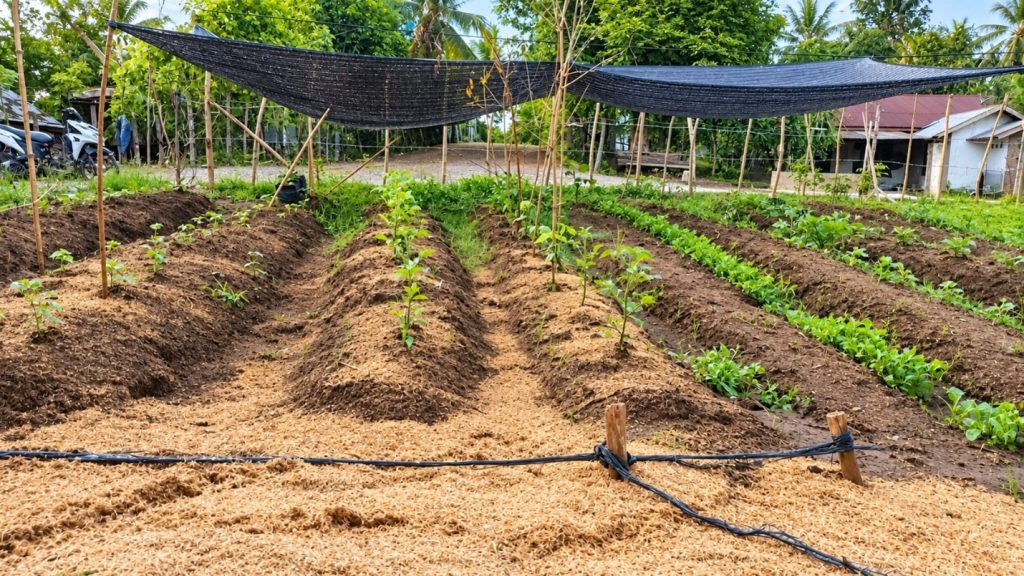
In supporting these activities, YPANBA recognises that developing women’s farming groups involves more than providing seedlings or making land available. Sustainability also depends on members’ participation, their sense of ownership, and their commitment to maintaining the gardens together.
Transforming village land into a food garden demonstrates how local resources can serve new purposes when managed to meet community needs. Land that was previously unused for food production is becoming a space where women can develop farming activities and strengthen cooperation.
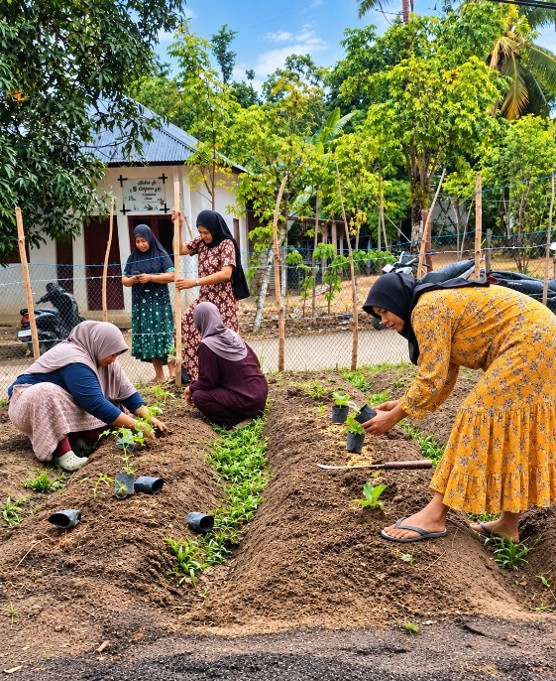
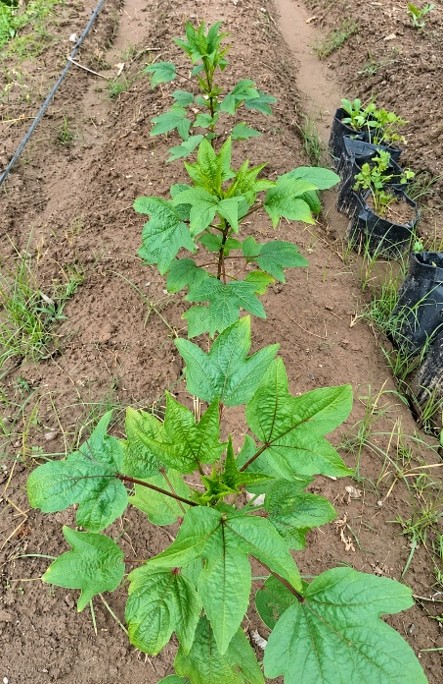
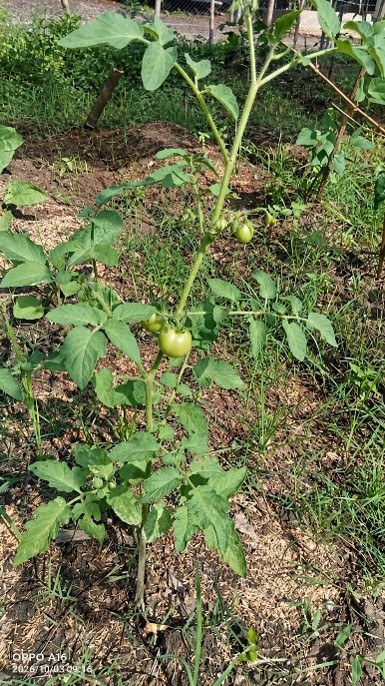
Photo: YPANBA. Produce from the Blang Dalam Village women’s farming group, Blada ASRI.
The experience in Blang Dalam also highlights the importance of community support in post-disaster livelihood recovery. When land, knowledge, and community members’ efforts come together through collective action, opportunities emerge to build initiatives that benefit both households and the wider community.
Feminist Economy Solidarity: Food as a Space for Women’s Solidarity
YPANBA’s support for women’s farming groups in Kubu and Blang Dalam is also connected to the Feminist Economy Solidarity (FES) approach. This approach places women, their work, knowledge, needs, and leadership at the center of efforts to build a fairer economy.
From this perspective, food is not viewed merely as a commodity produced for sale. It is also connected to meeting basic needs, recognizing women’s work, managing shared resources, and strengthening communities’ capacity to support one another.
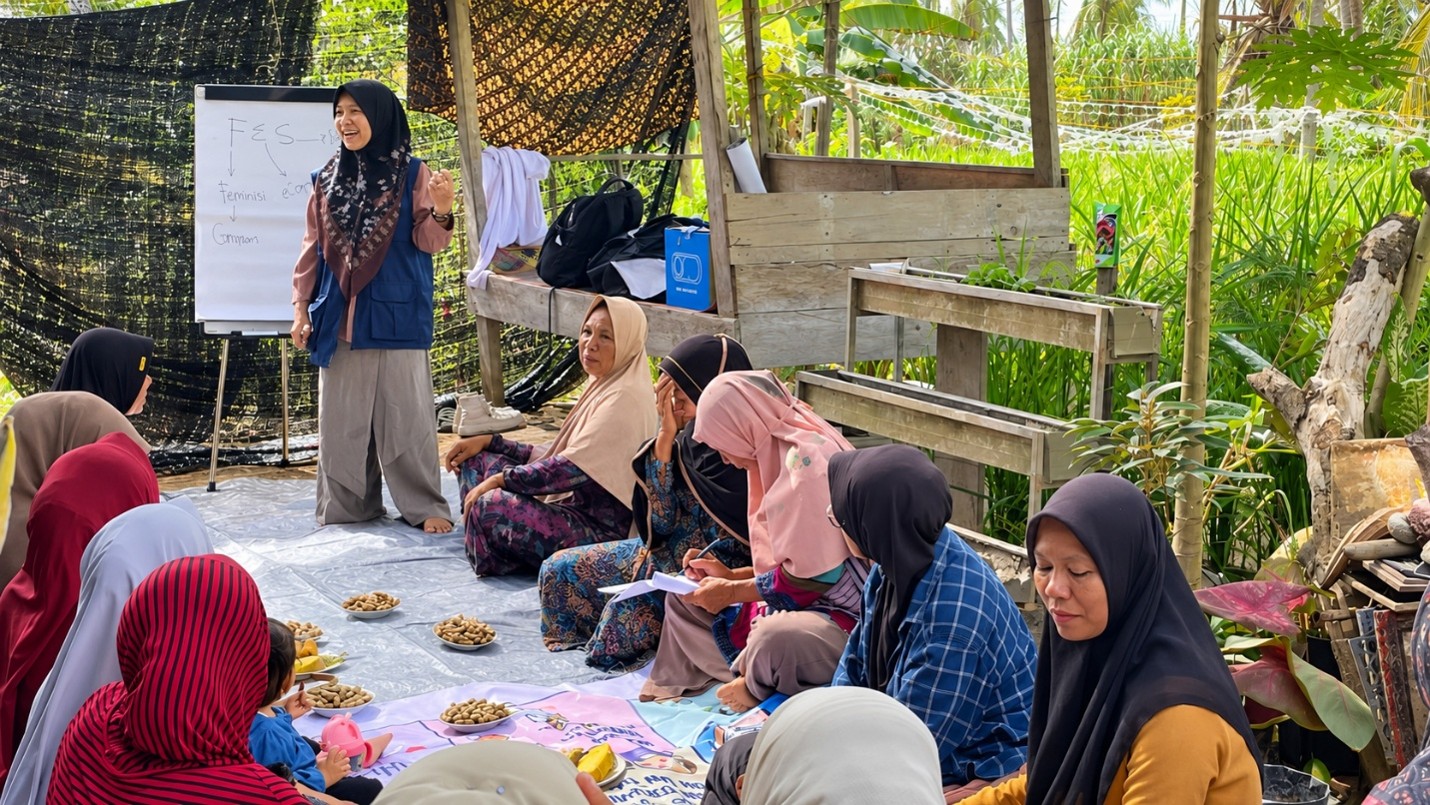
Through farming groups, women have opportunities to share experiences, develop skills, and build initiatives based on their own needs. Gardens become spaces for practising collective work while strengthening women’s capacity to manage available resources.
FES also encourages a broader understanding of economic benefits beyond the income generated. Women’s access to land and productive resources, their participation in decision-making, recognition of their work, and their ability to decide how the harvest is used are all essential elements of a fairer economy.
In this context, women are not positioned merely as recipients of assistance or participants in agricultural activities. They are active agents with the knowledge, experience, and capacity to determine livelihood strategies for their families and communities.
The development of women’s farming groups provides YPANBA with an opportunity to connect food security with economic solidarity. When women have opportunities to cultivate gardens, use their produce, and work together, they also gain space to strengthen their roles in managing food and household livelihoods.
From Seeds to Harvest: Sustaining Long-Term Benefits
The sustainability of a garden depends not only on successful planting, but also on the ability to care for crops, make use of harvests, and continue production in subsequent growing seasons.
In developing food gardens, produce is used to meet household food needs. Some of the harvest can also be sold locally to create opportunities for additional income.
The practice of setting aside part of the harvest for future seeds is also being encouraged, drawing on farming practices already familiar to the community. Depending on the crops grown, this practice can help sustain production and enable groups to manage their resources more independently.
YPANBA has also introduced composting and natural pest-control practices as part of its efforts to promote more environmentally friendly farming.
Composting helps return organic matter to the soil and supports soil fertility. Meanwhile, natural pest-control products can provide an alternative approach to pest management, provided their safety and effectiveness are taken into account.
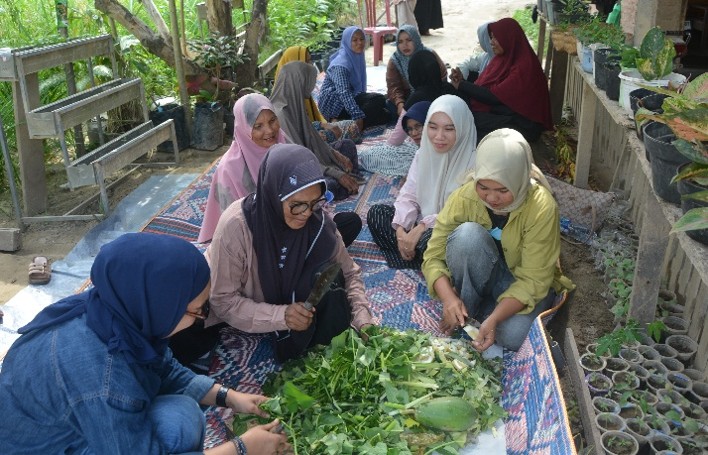
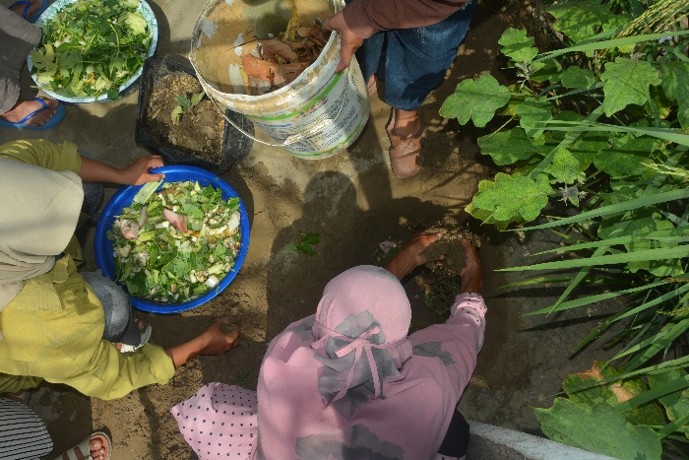
Photo: YPANBA. Members of the ‘Gigeh Meutani’ Women’s Farming Group in Kubu Village, Bireuen, making compost together.
This approach reflects the principle of returning to nature what comes from nature: using available resources wisely, reducing organic waste, and caring for the environment as part of sustainable food production.
Crop diversity is also important for meeting household nutritional needs. Access to vegetables and fruit can help support a more varied diet, including for children during their growth and development.
However, adequate nutrition and stunting prevention require broader support, including access to nutritious food, healthcare, clean water, sanitation, and appropriate caregiving. Food gardens are therefore one component of efforts to improve family well-being, rather than a standalone solution.
Food Gardens as Part of Disaster Preparedness
Disasters can destroy crops, disrupt food distribution, limit access to markets, and reduce household income. When these challenges arise, families need a range of resources to maintain access to food and recover their livelihoods.
The development of food gardens in Kubu and Blang Dalam is one effort to strengthen communities’ capacity to cope with these risks.
Home gardens and shared growing spaces can help provide part of a family’s food needs. Seed saving, environmentally friendly farming practices, and the marketing of harvested produce can support continued production and create livelihood opportunities.
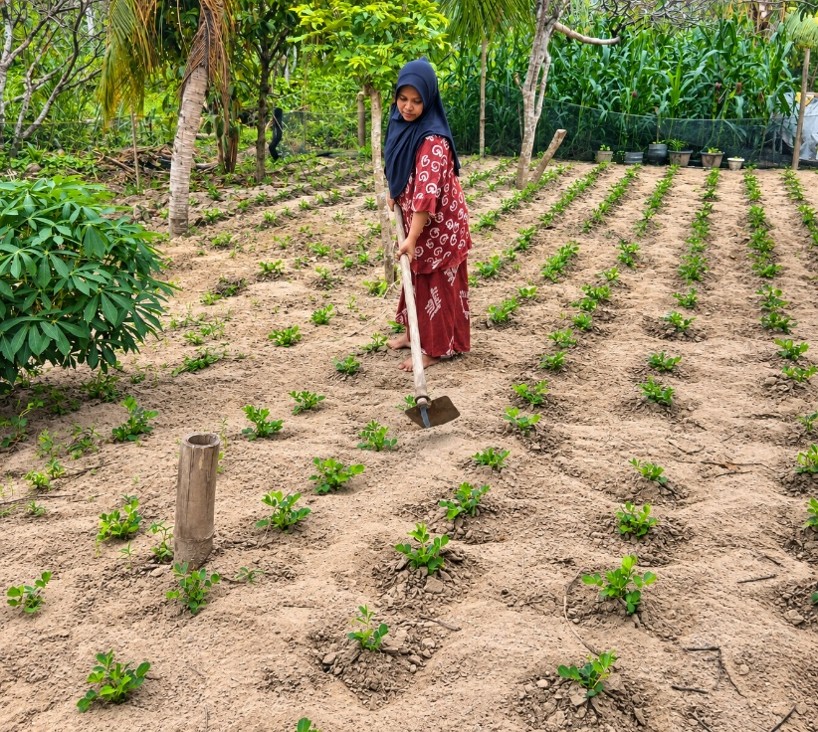
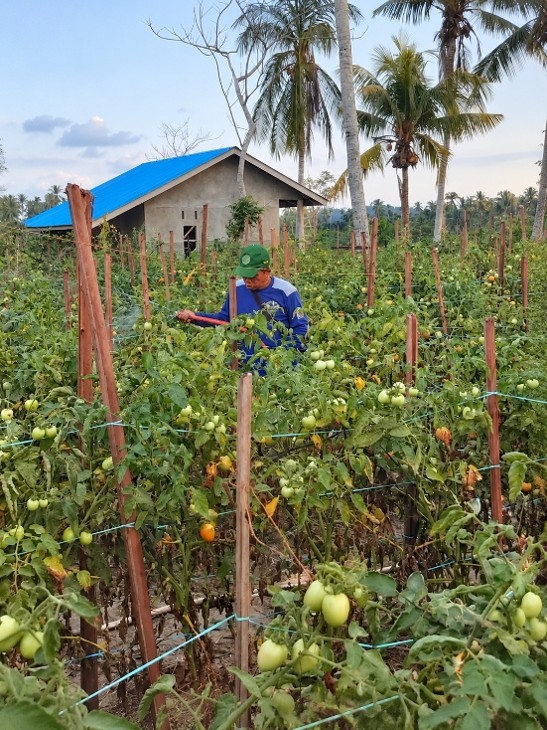
Photo: YPANBA. Members of the ‘Gigeh Meutabi’ Women’s Farming Group in Kubu Village, Bireuen, growing crops in their home gardens.
Home gardens cannot fully replace the food families obtain from markets or other sources. However, when managed sustainably and supported by crop diversity and access to productive resources, gardens can serve as an additional source of support when access to food is disrupted.
Preparedness also requires solidarity. Communities’ ability to share knowledge, make use of collective resources, and support one another can be an important asset when families face hardship.
Within the framework of Gender Equality, Disability, and Social Inclusion (GEDSI), efforts to strengthen food resilience must ensure that women and groups facing social, economic, or disability-related barriers have equal opportunities to access resources, participate in decision-making, and benefit from program.
This approach understands resilience not merely as the ability to endure a disaster, but also as the capacity to build livelihoods that are more inclusive, sustainable, and adaptable to changing environmental conditions.
Growing Resilience from Local Resources
YPANBA’s work in Kubu, Bireuen, and Blang Dalam, Pidie Jaya, demonstrates that strengthening food security can begin with practical steps rooted in community life: using home gardens, developing village land, growing diverse food crops, saving seeds, and building cooperation among women.
This journey requires time, continued support, and sustained commitment. Success is measured not only by the number of seedlings planted, but also by the groups’ ability to maintain their gardens, sustain production, make use of their harvests, and develop economic opportunities that benefit their members.
For YPANBA, strengthening women’s farming groups is part of a broader effort to build post-disaster community resilience through women’s leadership, the use of local resources, and GEDSI-responsive economic solidarity.
Nurasiah’s efforts to maintain her family’s rice supply and Yusriati’s use of cucumber and long bean harvests illustrate how gardens can make a tangible difference in everyday life. They can help meet food needs, sustain farming skills, and create economic opportunities.
Ultimately, women’s gardens are more than spaces for food production. They are also spaces for building knowledge, strengthening self-reliance, and nurturing solidarity in support of the recovery of families and communities.
When women have access to resources, opportunities to participate in decision-making, and the means to develop their livelihoods, food resilience can grow from the home, flourish through solidarity, and strengthen communities in the face of crises. [DS]